
Why is my foaming soap pump not foaming? | Xinda Pelosi Guide
Is your foaming soap dispenser not working? Xinda Pelosi helps troubleshoot common issues like insufficient air intake, improper soap dilution, pump malfunction, and clogged dispensers. Learn how to fix your foaming soap pump and get back to a luxurious lather!
- Why Is My Foaming Soap Pump Not Foaming? Xinda Pelosi
- Insufficient Air Intake
- Improper Soap Dilution
- Pump Malfunction
- Clogged Dispenser
- Low Soap Levels
- Troubleshooting Steps:
- 1. Check the soap level.
- 2. Inspect the air intake for clogs.
- 3. Verify soap dilution.
- 4. Clean the dispenser thoroughly.
- 5. Inspect the pump for damage.
- 6. Consider replacing the pump if necessary.
Why Is My Foaming Soap Pump Not Foaming? Xinda Pelosi
Is your foaming soap dispenser failing to produce the luxurious foam you expect? This article addresses common issues preventing your foaming soap pump from functioning correctly, providing troubleshooting steps for a quick fix. We'll explore reasons why your foaming soap isn't foaming, saving you time and frustration.
Insufficient Air Intake
One of the most frequent causes of a non-foaming soap dispenser is insufficient air intake. Foaming soap pumps require a proper mixture of soap and air to create the foam. If the air intake is blocked – by a clogged nozzle, a faulty valve, or even overly thick soap – the pump won't work as designed. Check for obstructions and ensure the air intake vents are clear.
Improper Soap Dilution
Foaming soap dispensers are designed for specific soap dilutions. Using soap that's too thick or too thin will result in poor foaming or no foam at all. Consult the manufacturer’s instructions for the correct soap-to-water ratio. Using the wrong soap formulation, even if correctly diluted, can also cause problems.
Pump Malfunction
The pump itself could be the culprit. Over time, the internal components of a foaming soap pump can wear down, leading to reduced performance or complete failure. This could involve worn-out seals, a broken impeller, or a faulty motor. In this case, repair or replacement may be necessary.
Clogged Dispenser
Over time, soap residue and other debris can clog the dispenser's internal components, hindering its ability to draw soap and air correctly. Regularly cleaning the dispenser with warm, soapy water can resolve this issue. Ensure thorough rinsing to remove all soap residue.
Low Soap Levels
A simple yet easily overlooked reason is that the soap reservoir is simply empty or low on soap. Always check the soap level before troubleshooting other issues.
Troubleshooting Steps:
1. Check the soap level.
2. Inspect the air intake for clogs.
3. Verify soap dilution.
4. Clean the dispenser thoroughly.
5. Inspect the pump for damage.
6. Consider replacing the pump if necessary.
By systematically checking these points, you should be able to resolve most foaming soap dispenser problems. Remember to always consult your dispenser's manual for specific instructions and maintenance recommendations.
Top 10 Perfume Pump Sprayer Manufacturer Brands 2025
Marque de fabricant de pulvérisateur à gâchette en plastique en gros en Asie
How to Choose the Right Cosmetic Plastic Cap for Your Needs.
How Flip Top Cap Manufacturer Transforms Daily Use
OEM/ODM Plastic Caps Packaging Manufacturers supplier
For Products
What is your MOQ of spout and cap?
Normally our MOQ is 100,000pcs.
Negotiable, different size / spout type different MOQ.
For Quality
How can we guarantee quality?
Always a pre-production sample before mass production;
Always final Inspection before shipment;
For Customization
How can I get customized products quotation?
We need your products details for quotation, and a closed quotation should include the below details:
1. material
2. full dimension
3. unit weight
4. order quantity
If you have real sample that will be perfect for customized products, it normally should develop a new mould for production, but different mould cavity, different output, and different unit cost will make it better, so if you have idea of your mold-making requirements, it will be better; otherwise, we need your order quantity to calculate a proper mould design.
For shipping
What about the delivery time of the products?
It depends on the shipping method that you choose.
Via air freight, 3–7 days; Via sea freight, 25–60 days; Via railway, 25–60 days.
For payment
Payment terms:
If a sample cost, usually we use Western Union and PayPal payments. If the order amount is large, we usually use T/T payment. 50% T/T by deposit, 50% T/T By balance, we also accepted it. Before confirming the order, we would discuss it with each other.
You may also like
We provide a variety of packaging solutions to both small and large businesses and service numerous industries, including beauty and personal care, food and beverage, household and industrial chemicals, and veterinary care.
OEM Injection Mould Design Plastic Double Opening Caps for Plastic Glitter Shaker Bottles
Fashioned Unique Design Custom Made Perfume Bottle Bulb Atomizer Spray
Closure Heavy Duty Spray Trigger Nozzle PP Plastic Type Heavy Duty Trigger Spray Bottle Wholesale
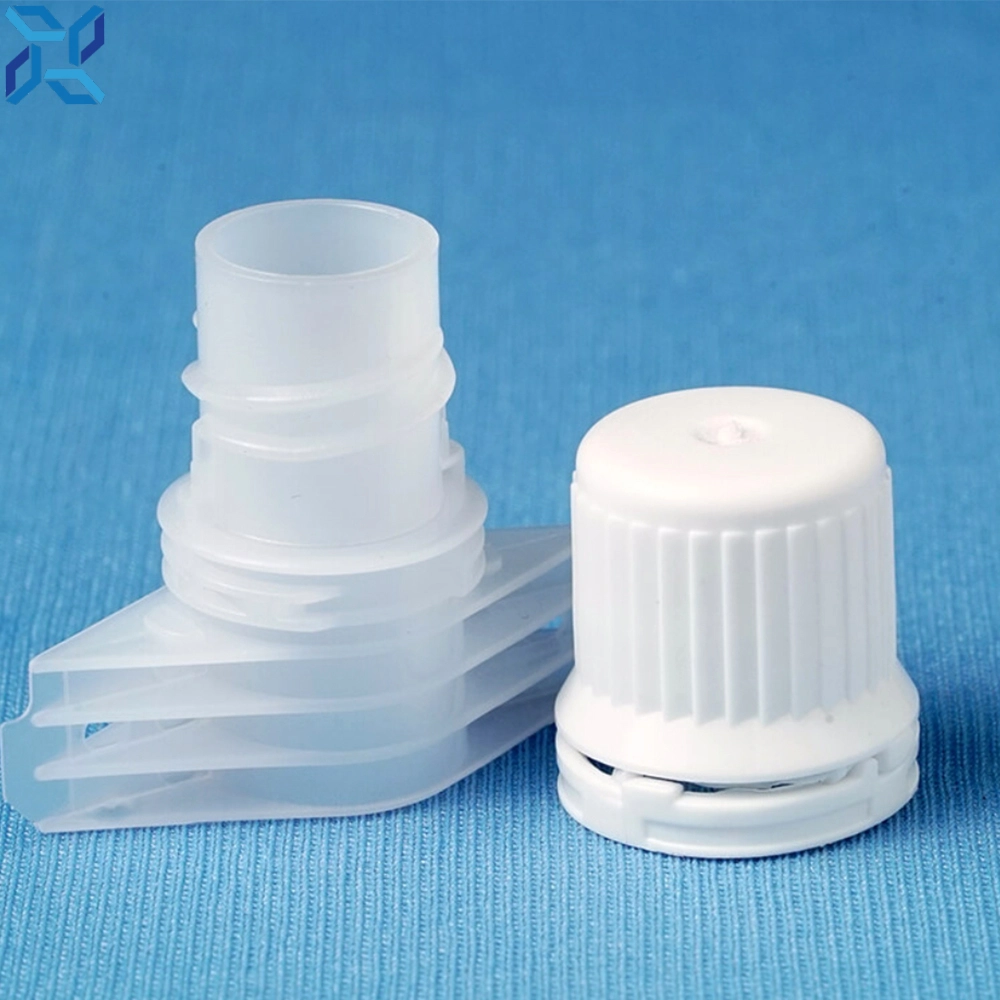
Customized spouted stand up pouch plastic spout water liquid wine pouch spout cap
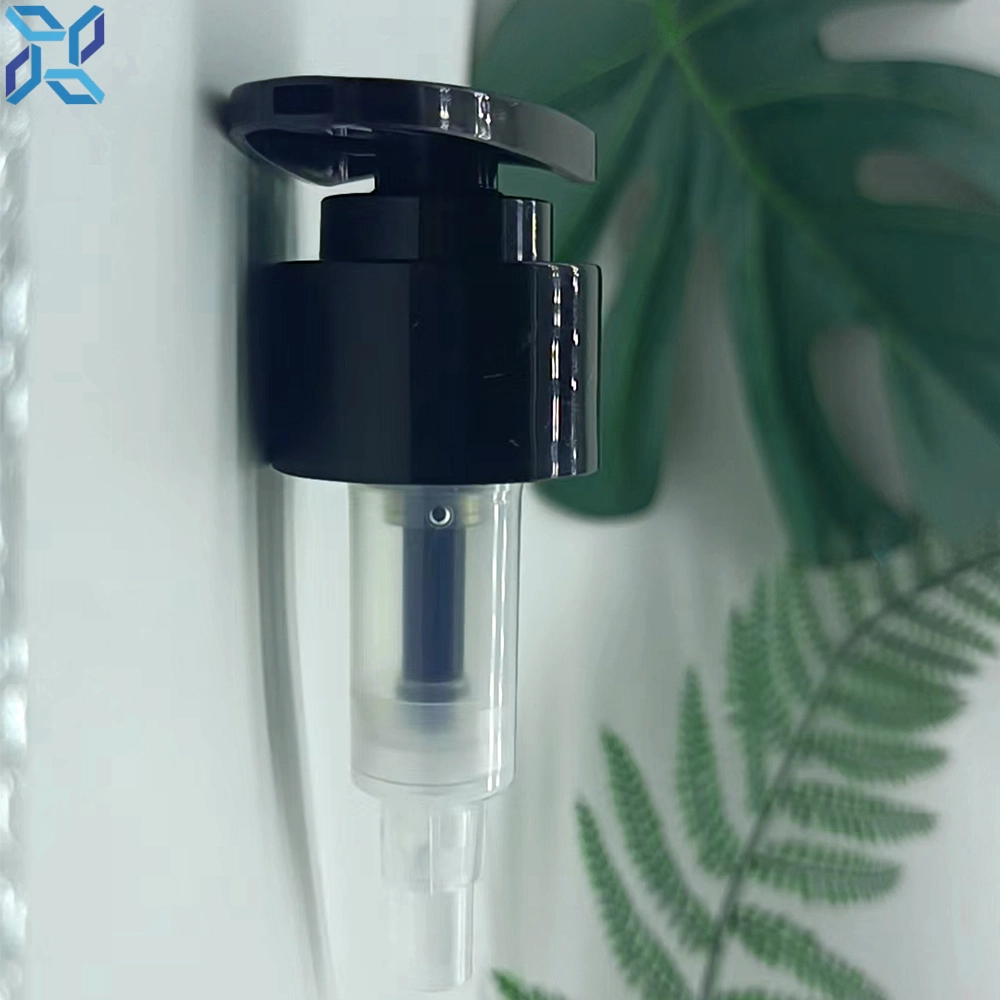
Luxury Liquid Dispenser Aluminum Lotion Dispenser Pump For Cosmetic Bottles
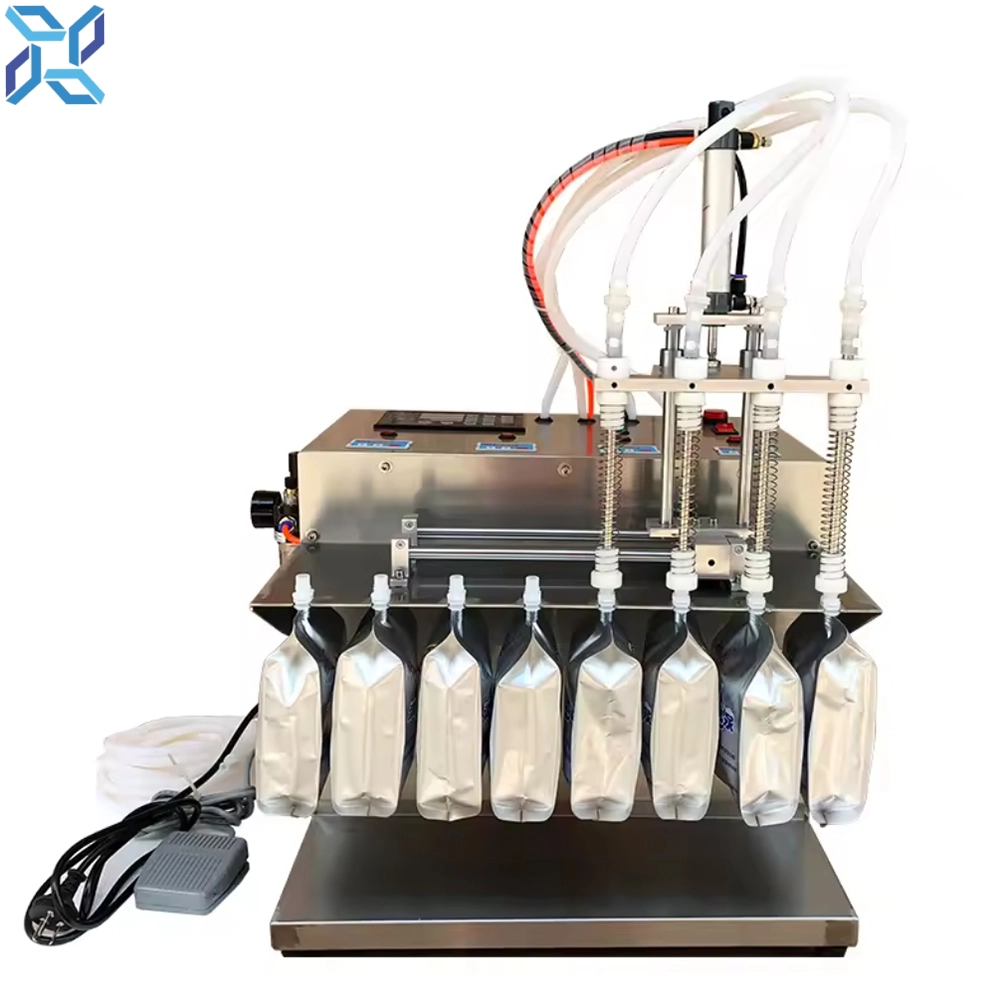
Stand Up Pouch Filling And Sealing Machine
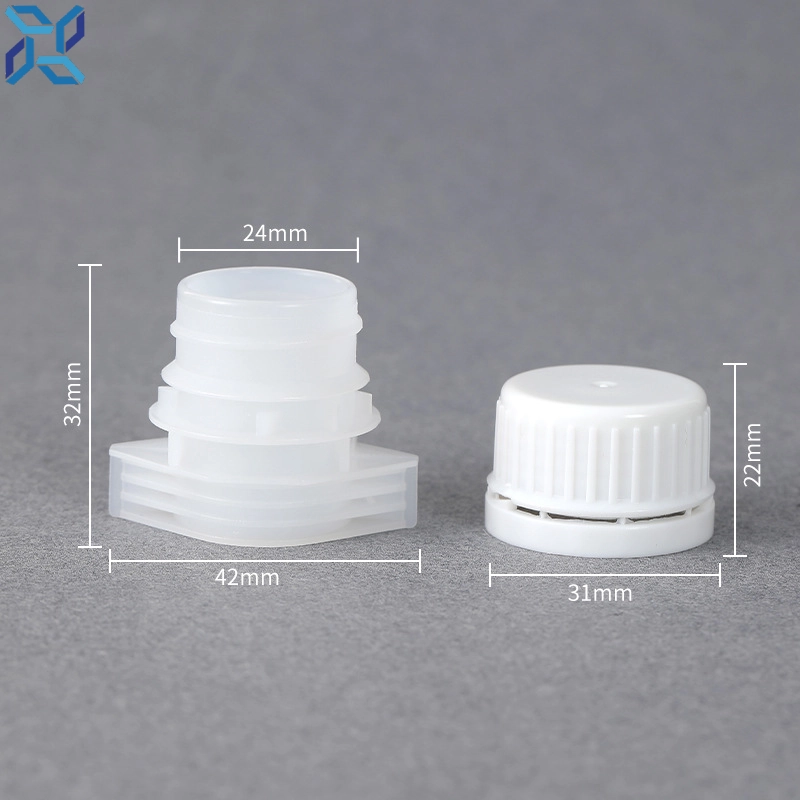
Customized white plastic spout pouch with cap manufacturers
Xinda Pelosi manufactures custom white plastic spout pouches with caps.
Perfect for your unique needs, our pouches offer superior quality and reliable sealing.
Get a quote today for your customized plastic spout caps.
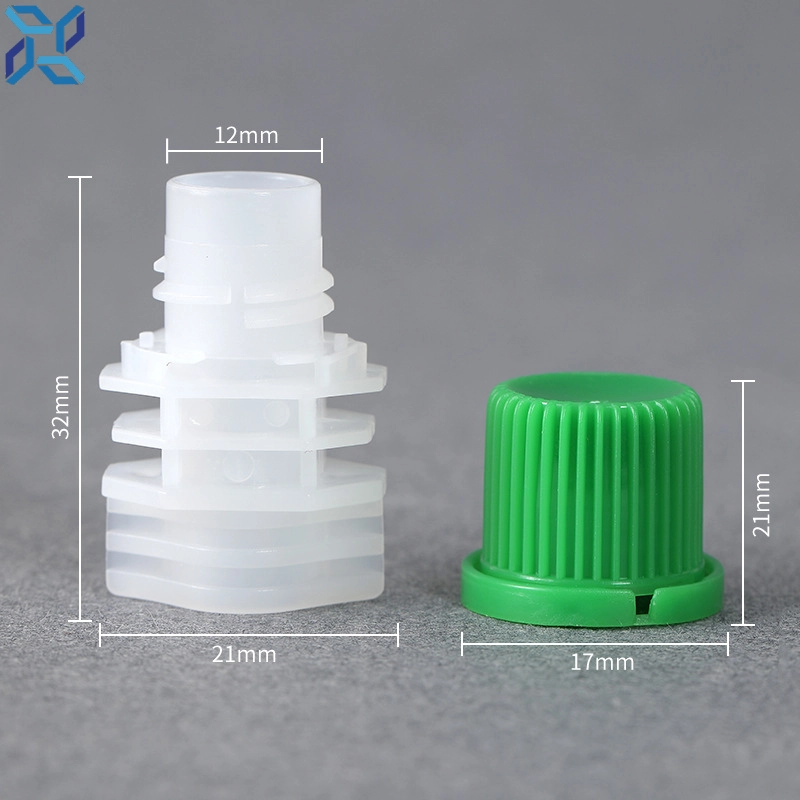
China recycled pouch caps juice pouch cap for food pouch
Discover the eco-friendly China recycled pouch caps by Xinda Pelosi.
Engineered for food pouches, our pouched suction nozzle and caps ensure freshness and convenience.
Ideal for brands seeking sustainable solutions, purchase recycled pouch caps to enhance your product packaging with our innovative pouch spout cap design.
Get in touch with Xinda pelosi
Have any questions or queries about our products? Please leave us a message here and our team will get back to you promptly.
Your inquiries, ideas, and collaboration opportunities are just a click away. Let's start the conversation.
* Rest assured that your privacy is important to us, and all information provided will be handled with the utmost confidentiality.

 Scan QR Code
Whatsapp: +8613640286461