
how to fix a foaming soap pump | Xinda Pelosi Guide
A professional guide to troubleshooting and fixing foaming soap pumps. Essential advice for custom plastic caps packaging professionals. Brought to you by Xinda Pelosi.
How to Fix a Foaming Soap Pump: Expert Guidance for Custom Plastic Caps Packaging
Understanding how to fix a foaming soap pump is vital for professionals in the custom plastic caps packaging industry. Malfunctioning pumps impact product performance and user satisfaction, often leading to costly rework or customer complaints. This guide offers quick, authoritative fixes to enhance product reliability.
Common Issues with Foaming Soap Pumps
- Clogged or Blocked Nozzle
- Hardened soap or debris can prevent foam production.
- Air Leakage in Pump Mechanism
- Loose caps or seals can degrade foam quality.
- Damaged or Misaligned Spring
- Weak spring action may reduce pump effectiveness.
- Improper Soap-to-Water Ratio
- Incorrect mix impacts foam consistency.
- Manufacturing Defects in Custom Plastic Caps
- Occasional molding flaws can impede function.
Step-by-Step Solutions
1. Clear Blockages and Clean Components
- Remove the pump from the bottle.
- Soak the pump in warm water for 5-10 minutes to dissolve dried soap (Source: (https://www.allure.com/story/how-to-clean-your-soap-dispenser-pump)).
- Pump warm water through the nozzle to ensure full clearance.
- Use a fine brush to dislodge stubborn residue.
2. Inspect Custom Plastic Cap Fit
- Confirm that the cap threads align and seal tightly.
- Check gaskets or liners for wear—replace if necessary.
- Tight connections prevent air leaks, boosting foam creation.
3. Examine and Reset the Pump Mechanism
- Disassemble the pump (if the design allows).
- Inspect the spring and internal components for breakage or misalignment (Source: (https://www.packagingdigest.com)).
- Reassemble carefully, ensuring components are seated correctly.
4. Verify Soap-to-Water Ratio
- Use manufacturer-recommended dilution (commonly 1:4 or 1:5 soap to water).
- Test with distilled water if local water is hard or mineral-heavy.
- Refill and retest with adjusted mixture.
5. Address Manufacturing Quality
- Review cap and pump samples against quality benchmarks (ISO 9001:2015 standards).
- Collaborate with trusted partners, using reliable suppliers like Xinda Pelosi.
- Implement regular batch inspections to catch molding defects early.
Preventive Tips for Packaging Professionals
- Material Selection: Opt for compatible resins like PP or PE for chemical durability.
- Design Validation: Test all custom plastic caps and pumps for assembly fit and air seal integrity.
- Batch Testing: Include routine pump function checks in your QC protocol.
- End-User Education: Provide clear dilution instructions on packaging.
- Continuous Improvement: Leverage feedback for iterative design and supplier improvement.
Authoritative Resources
- (https://www.packagingdigest.com)
- (https://www.allure.com/story/how-to-clean-your-soap-dispenser-pump)
- (https://www.iso.org/iso-9001-quality-management.html)
For more industry-specific troubleshooting or sourcing high-quality custom plastic caps, Xinda Pelosi remains your trusted packaging partner.
The Importance of Ergonomic Design in Plastic Trigger Sprayers
Customize Lotion Dispenser Pump Manufacturers in USA
The Role of Plastic Spout Caps in Food and Beverage Packaging
Marque de fabricant de pulvérisateur à gâchette en plastique en gros en Asie
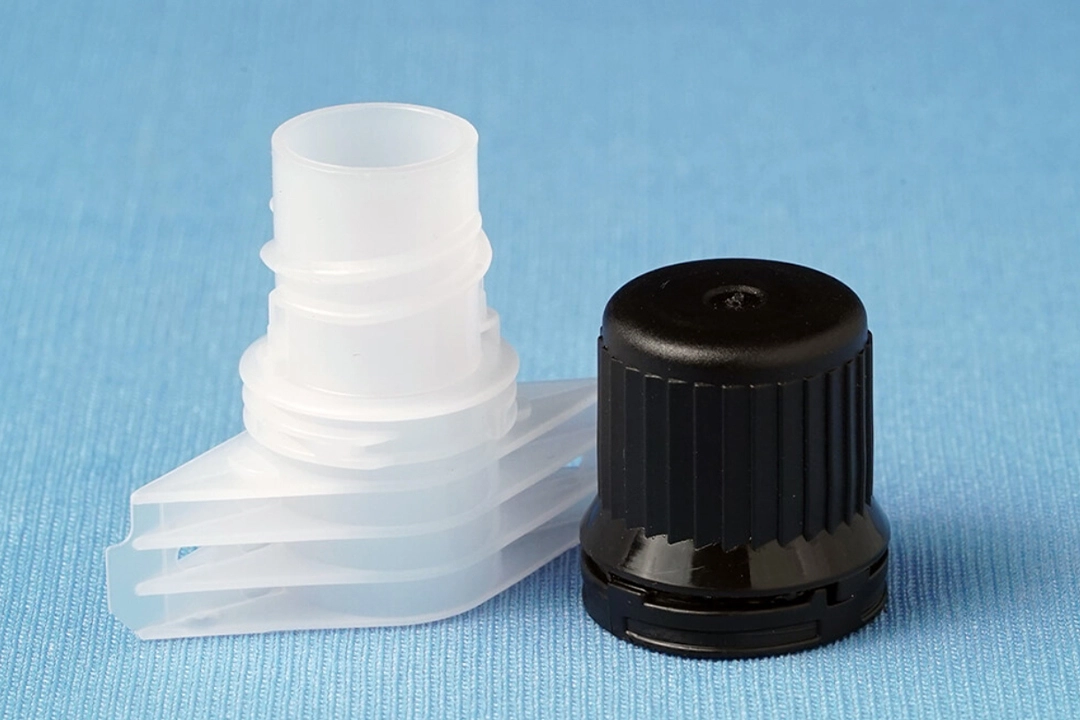
Plastic Caps and Closures Market Report 2024 (Global Edition)
For Products
What kind of packaging can you make?
1. Sort by type: roll stock film, stand up pouch, gusseted pouch, box pouch, flat pouch, spouted pouch, vacuum pack.
2. Arrange according to applications: snacks, food, coffee, cannabis, pet food, frozen food, retort, condiments, personal hygiene, and home.
3. Sort by materials: plastic, Foil or paper-based.
For payment
How can I pay for the order?
Small amount can be via Paypal, Western Union,
Big amount can be via T/T
Payment terms?
30%–50% in advance; the balance should be paid before shipment.
Payment terms:
If a sample cost, usually we use Western Union and PayPal payments. If the order amount is large, we usually use T/T payment. 50% T/T by deposit, 50% T/T By balance, we also accepted it. Before confirming the order, we would discuss it with each other.
For application
The use of your products?
1. Liquid soap, household cleaning
2. Body lotion, skin care
3. Hair Care, colorant
You may also like
We provide a variety of packaging solutions to both small and large businesses and service numerous industries, including beauty and personal care, food and beverage, household and industrial chemicals, and veterinary care.
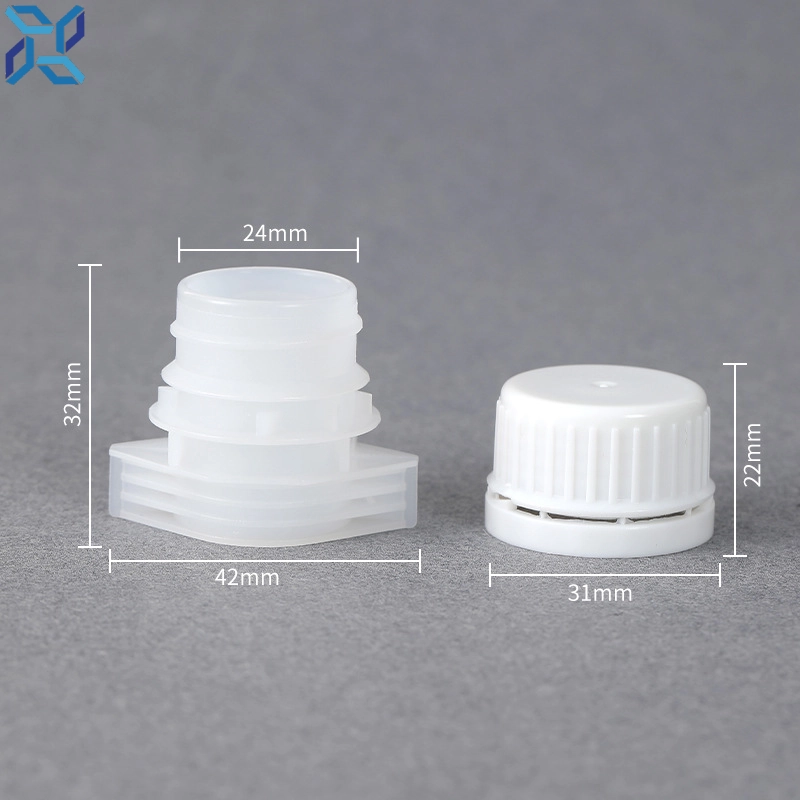
Customized white plastic spout pouch with cap manufacturers
Xinda Pelosi manufactures custom white plastic spout pouches with caps.
Perfect for your unique needs, our pouches offer superior quality and reliable sealing.
Get a quote today for your customized plastic spout caps.
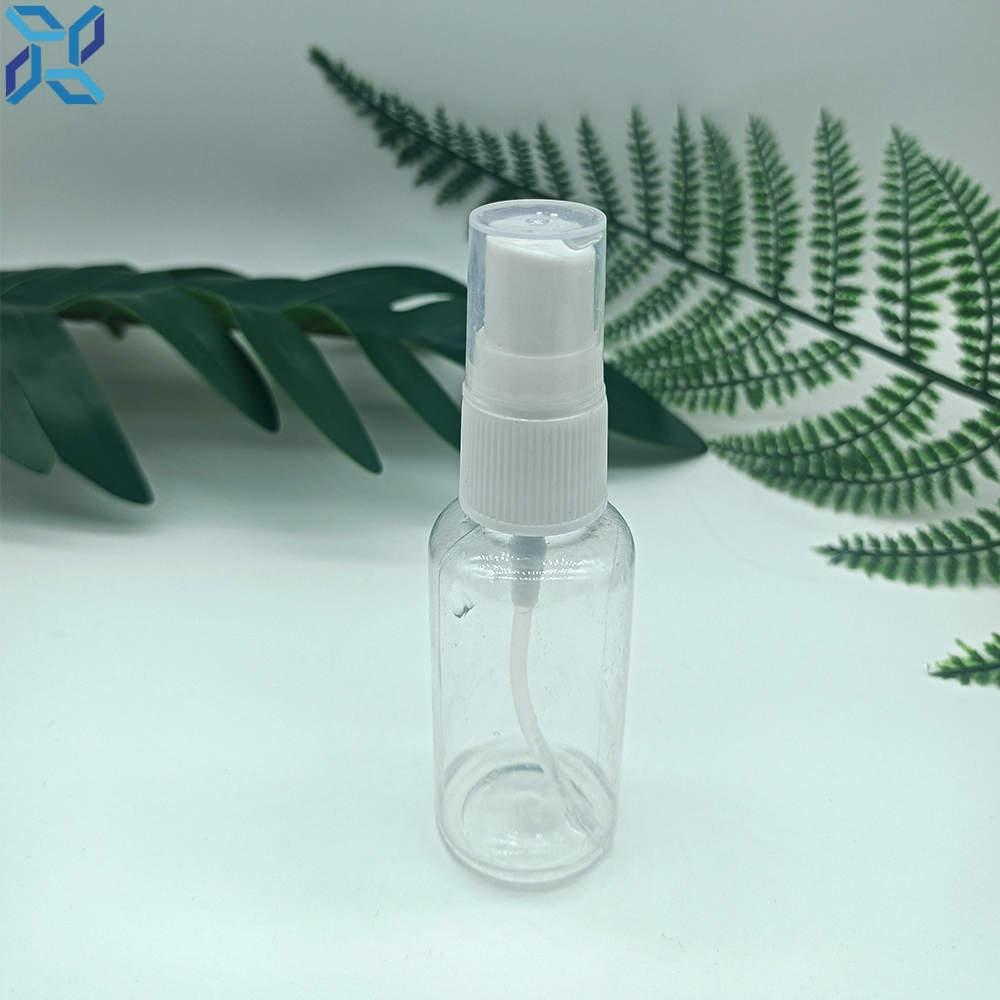
Fashioned Unique Design Custom Made Perfume Bottle Bulb Atomizer Spray
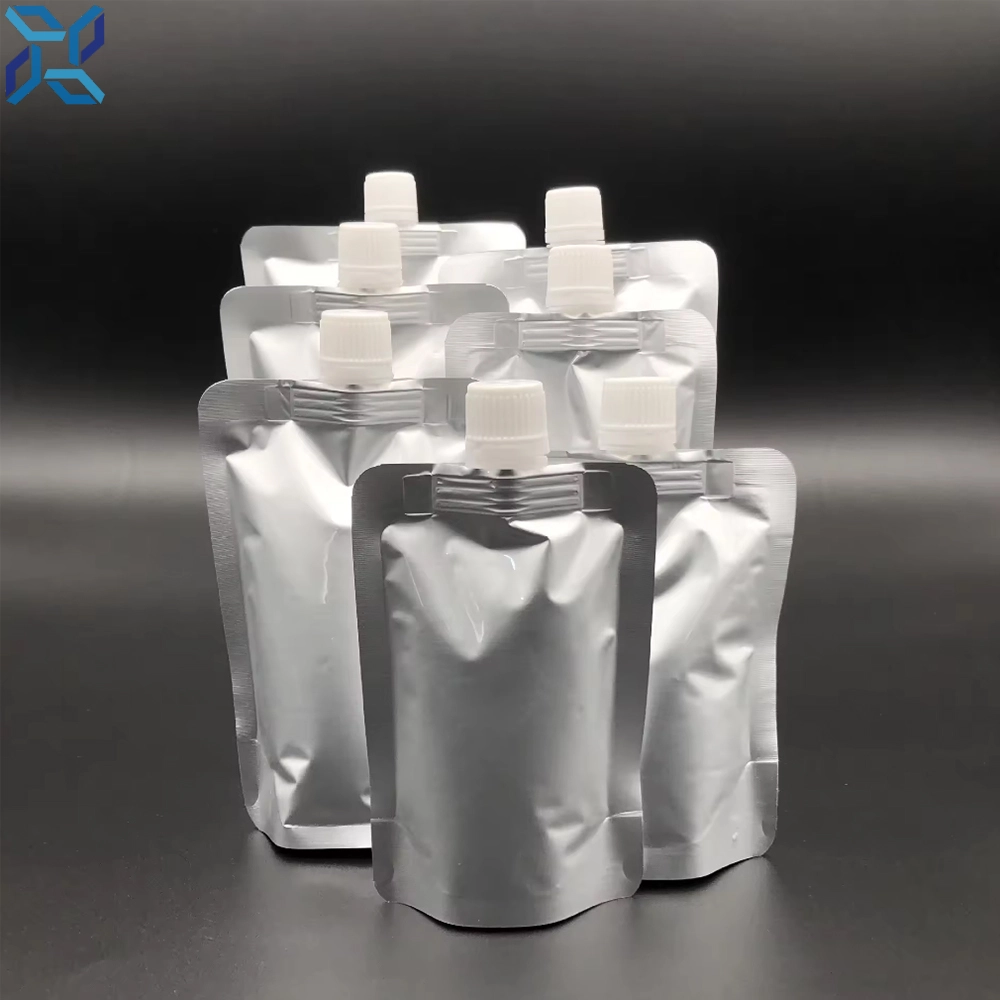
Customized Printing Plastic Zipper Top Stand Up Mylar Bags For Snack Chips Packaging
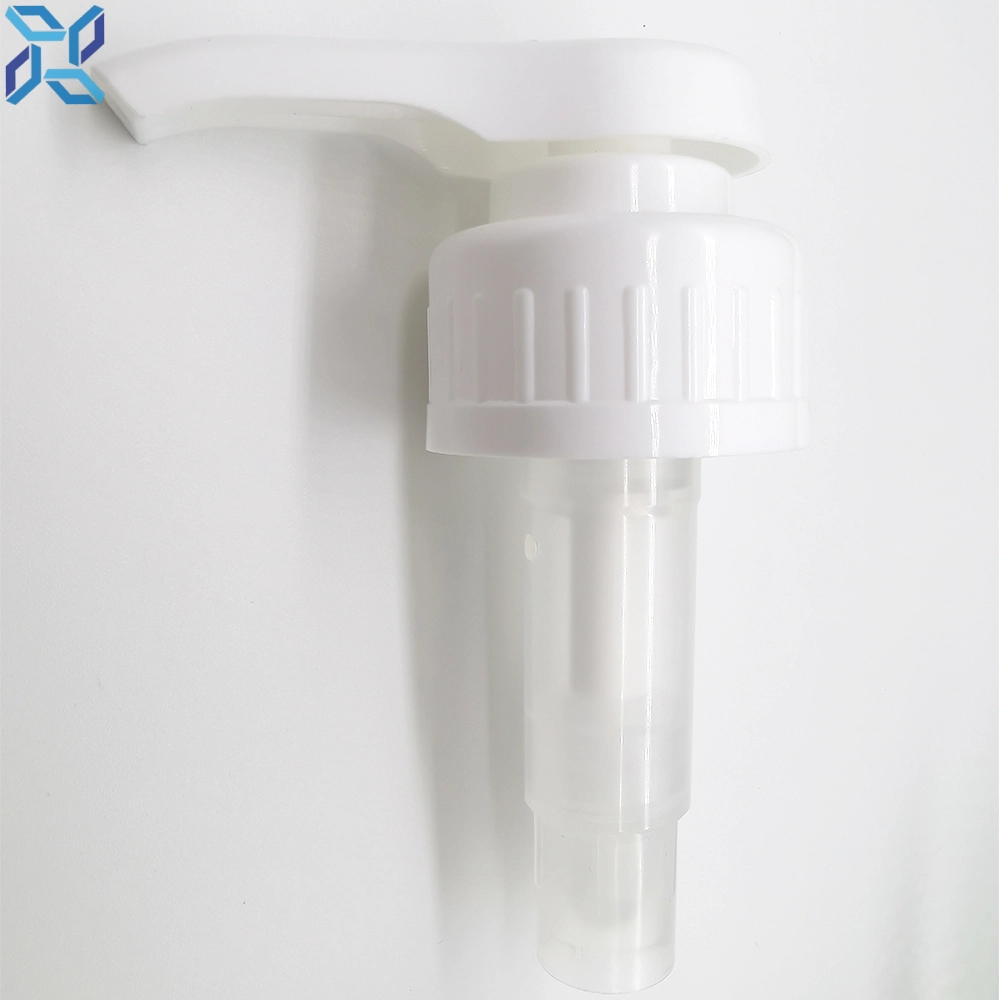
PP PE Plastic Soap Hand Foam Dispenser Foaming Spray Pump Matte Foam Pump
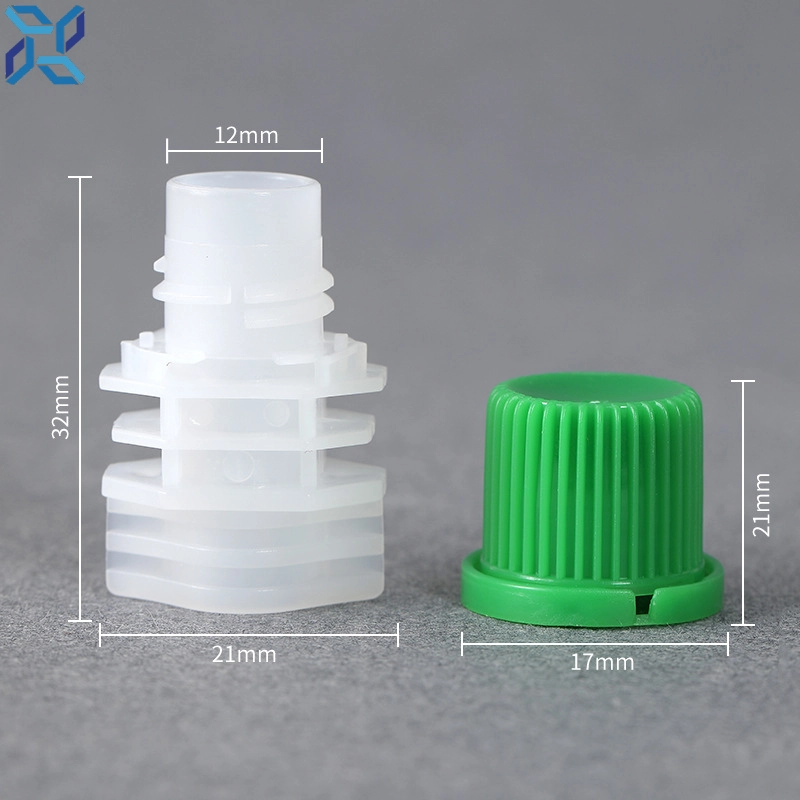
China recycled pouch caps juice pouch cap for food pouch
Discover the eco-friendly China recycled pouch caps by Xinda Pelosi.
Engineered for food pouches, our pouched suction nozzle and caps ensure freshness and convenience.
Ideal for brands seeking sustainable solutions, purchase recycled pouch caps to enhance your product packaging with our innovative pouch spout cap design.
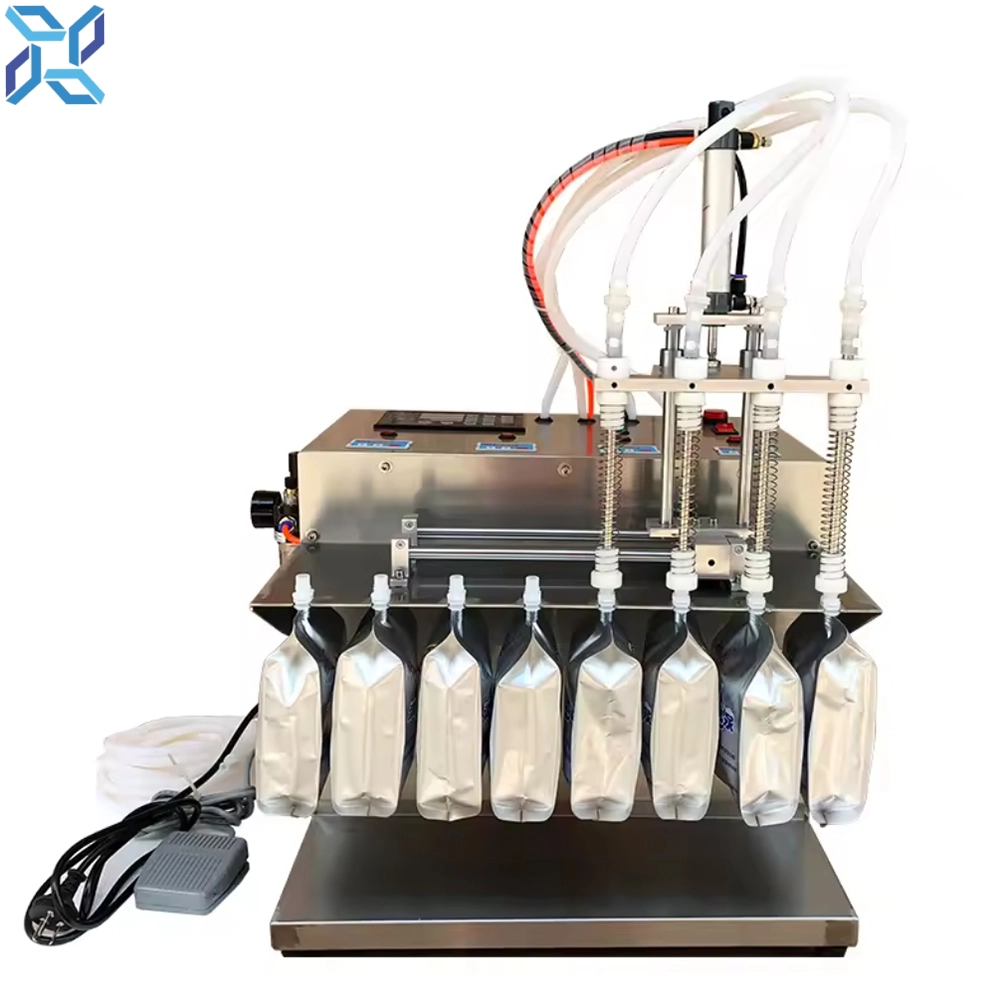
Stand Up Pouch Filling And Sealing Machine
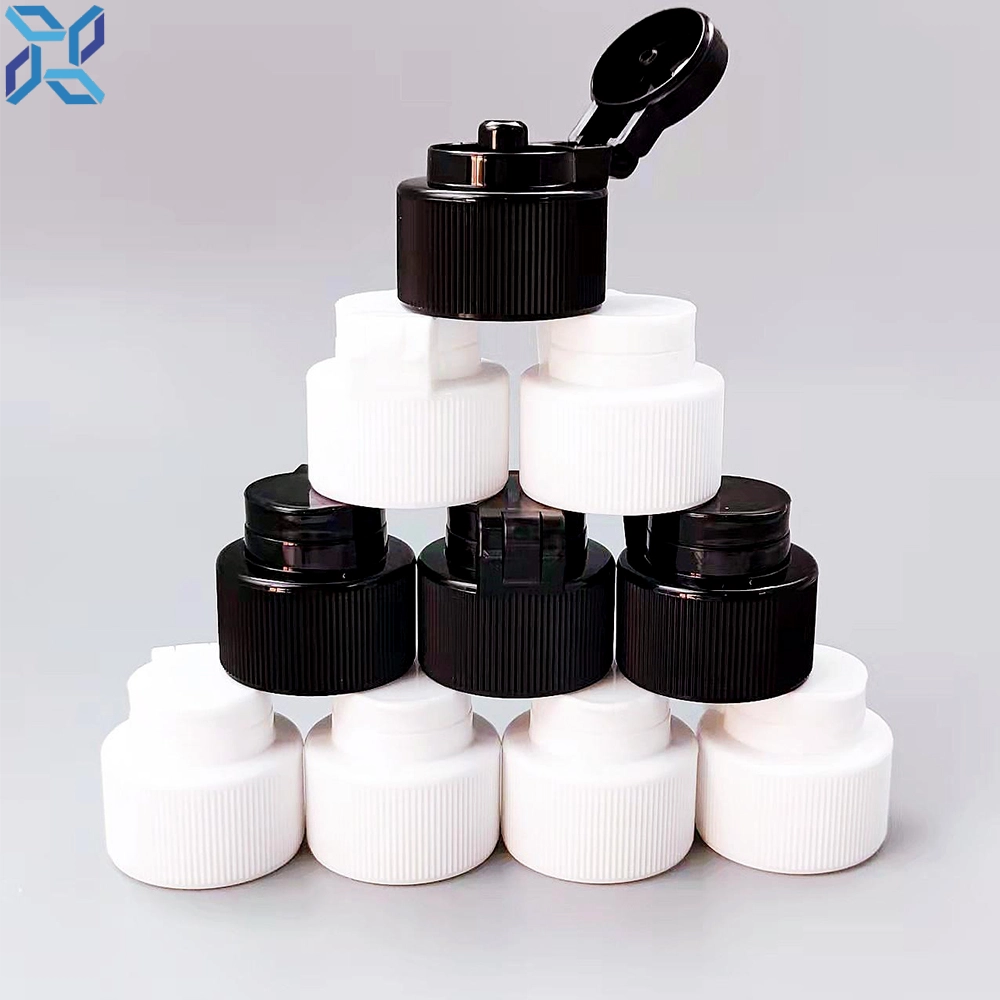
OEM Injection Mould Design Plastic Double Opening Caps for Plastic Glitter Shaker Bottles
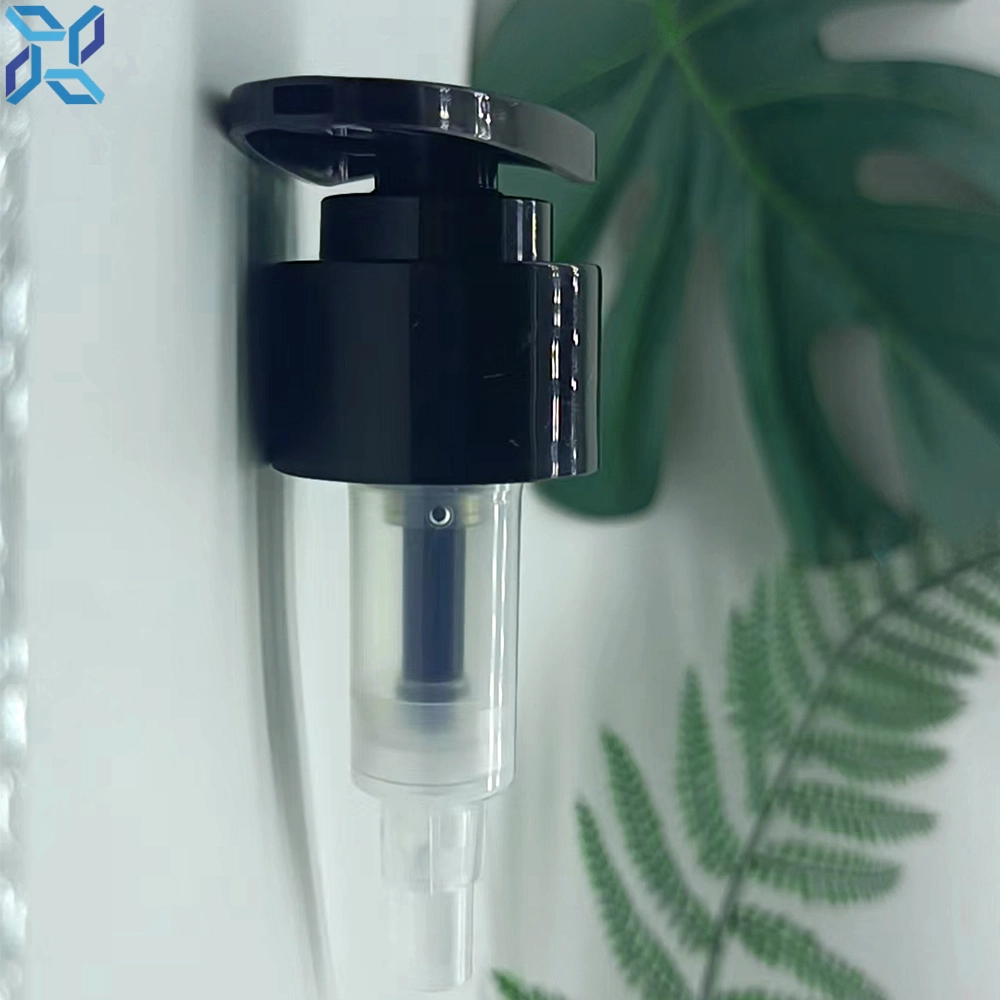
Luxury Liquid Dispenser Aluminum Lotion Dispenser Pump For Cosmetic Bottles
Get in touch with Xinda pelosi
Have any questions or queries about our products? Please leave us a message here and our team will get back to you promptly.
Your inquiries, ideas, and collaboration opportunities are just a click away. Let's start the conversation.
* Rest assured that your privacy is important to us, and all information provided will be handled with the utmost confidentiality.

 Scan QR Code
Whatsapp: +8613640286461