
How do you recycle lotion pumps? | Xinda Pelosi Guide
This article from Xinda Pelosi provides a comprehensive guide for recycling professionals on effectively recycling lotion pumps. It details the challenges of multi-material composition, the importance of sorting and pre-processing, available recycling options (MRFs, specialized recyclers, chemical recycling), and best practices for efficient and sustainable disposal. It emphasizes collaboration, consumer education, and technological advancements to improve lotion pump recycling rates.
How Do You Recycle Lotion Pumps? A Guide for Recycling Professionals
Recycling lotion pumps presents a unique challenge due to their multi-material composition. This guide clarifies the process, addressing common industry hurdles and promoting best practices for efficient lotion pump recycling.
Understanding Lotion Pump Components
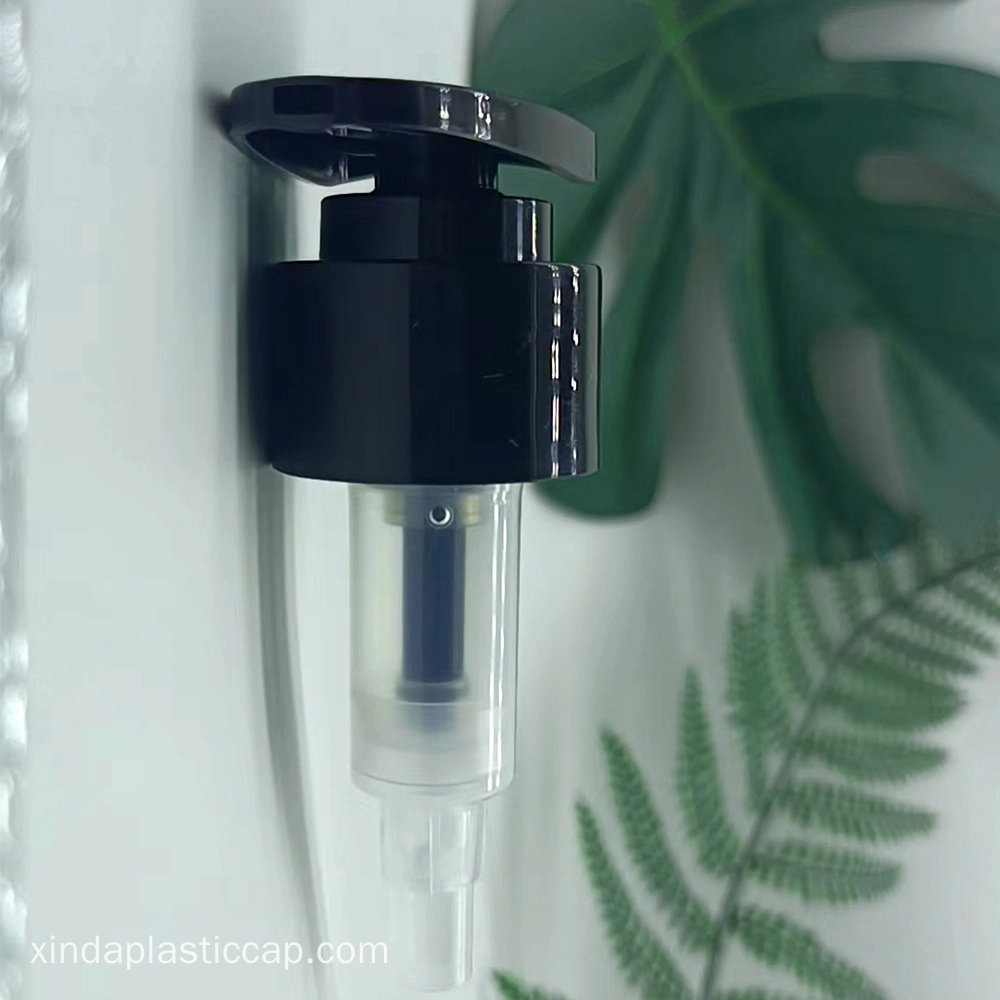
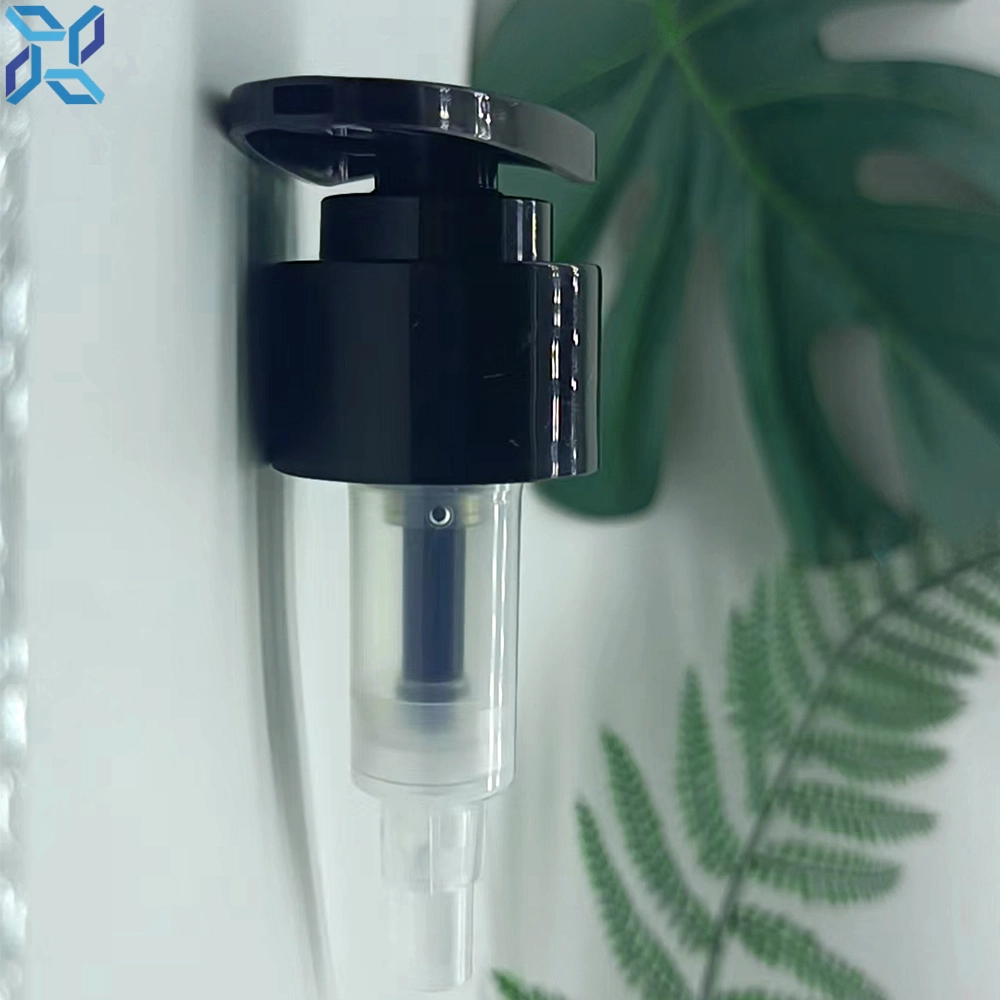
Lotion pumps typically consist of several components: a plastic bottle, a plastic or metal pump mechanism, and a cap (often plastic). These materials, varying in type and recyclability, necessitate a tailored approach to recycling. The pump itself frequently contains several parts, like springs and a valve.
Sorting and Pre-Processing for Efficient Recycling of Lotion Pumps
Effective separation is key: Before recycling lotion pumps, separate them from other waste streams. Manual sorting is often necessary to identify and isolate the different components. This process will significantly improve the quality of the recyclable materials.
Disassembly: For optimal recycling, disassembling lotion pumps is recommended where feasible. This involves separating the plastic bottle from the pump mechanism and cap. However, this can be labor-intensive and may not be economically viable for all facilities.
Material Identification: Accurate identification of the various plastics used (e.g., polypropylene, polyethylene) is crucial for directing the materials to the appropriate recycling stream. This requires expertise in plastic identification techniques like visual inspection or near-infrared (NIR) spectroscopy.
Recycling Options and Challenges
Material Recovery Facilities (MRFs): Many MRFs are not yet equipped to efficiently handle the complexities of lotion pumps. Improvements in sorting technologies are needed to accommodate the diverse materials present.
Specialized Recyclers: Some specialized recycling facilities might accept certain lotion pump components, particularly the plastic bottles. However, finding these facilities might require research and establishing partnerships.
Chemical Recycling: Advanced recycling technologies, such as chemical recycling, offer the potential to break down mixed plastics, including those found in lotion pumps, into their base components for reuse. This is an emerging area with ongoing development.
Best Practices for Efficient Lotion Pump Recycling:
* Collaboration: Collaborate with manufacturers to design more easily recyclable lotion pumps. Simple designs with fewer components and standardized materials will greatly simplify the recycling process.
* Consumer Education: Promote awareness among consumers about proper disposal and separation of lotion pumps to maximize recycling rates.
* Technological advancements: Invest in and support the development and implementation of advanced sorting and recycling technologies tailored to handle complex multi-material products like lotion pumps.
How to choose a suitable supplier for flexible packaging special food grade plastic suction nozzle tube and cover?
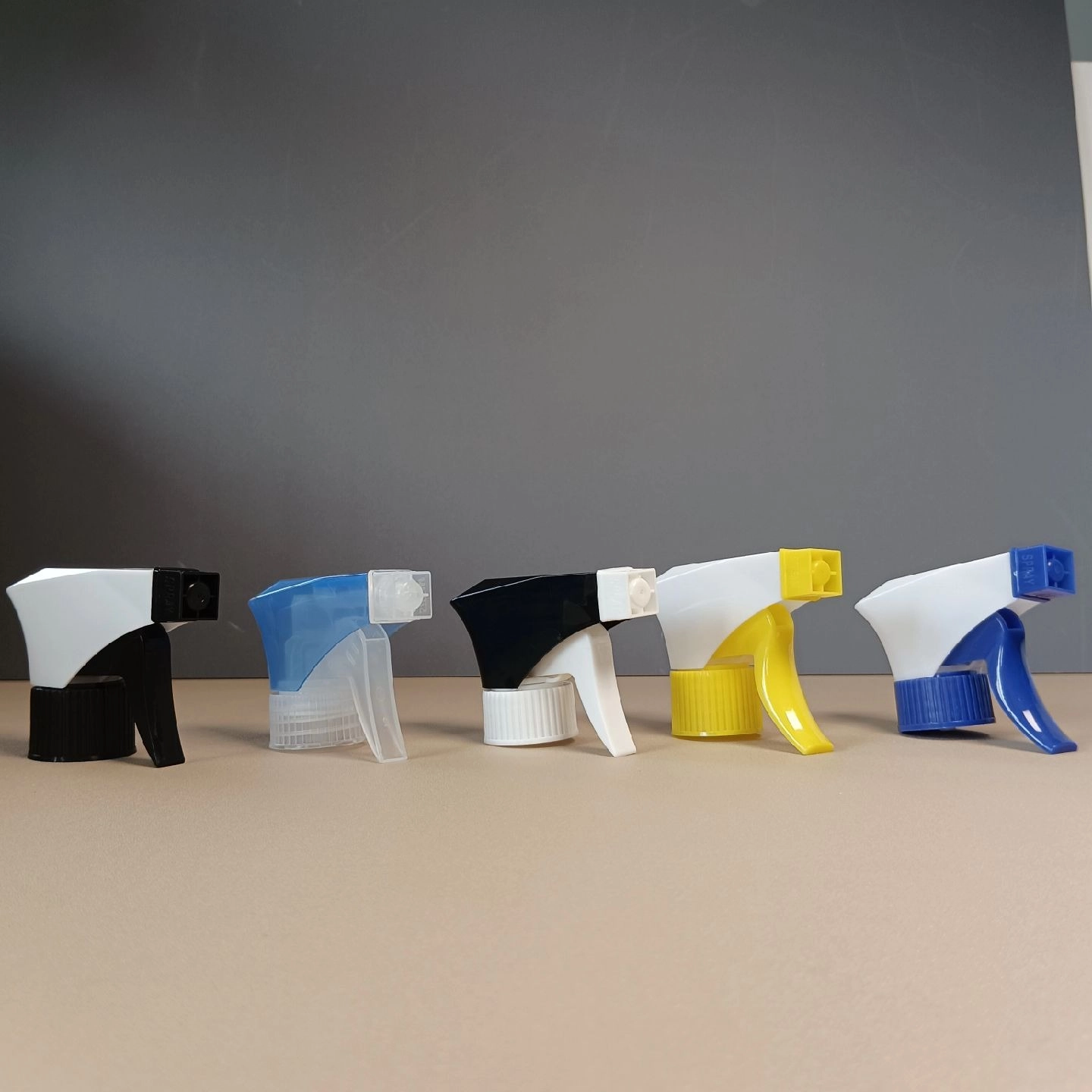
The Hidden Power of a Customized Plastic Trigger Sprayer: More Than Just a Spra
How Lotion Pump Works: A Complete Guide | Xinda Pelosi
A Beginner’s Guide to Liquid Pouch
Top 10 plastic spout cap suppliers brands
For Products
What Should We Provide?
You Should Send Us Your Logo Artwork In CDR/Al/ PDF Documents. And Tell Us where You Want To Imprint The Logo.
What happen in case any quality problem is identified after arrival?
We take full responsibility for any manufacturing defect, would either refund or reship good products to you.
For application
Are lotion dispenser pumps suitable for all types of lotions?
Yes, lotion dispenser pumps are designed to handle various viscosities, making them suitable for a wide range of lotions, creams, and liquids.
For after-sales
How to deal with quality problem?
Once shipment received, please check it carefully, quantity, quality, etc. Once question happened,
Please write email to us to describe it. If necessary, please submit picture for confirmation.
For payment
Payment terms:
If a sample cost, usually we use Western Union and PayPal payments. If the order amount is large, we usually use T/T payment. 50% T/T by deposit, 50% T/T By balance, we also accepted it. Before confirming the order, we would discuss it with each other.
You may also like
We provide a variety of packaging solutions to both small and large businesses and service numerous industries, including beauty and personal care, food and beverage, household and industrial chemicals, and veterinary care.
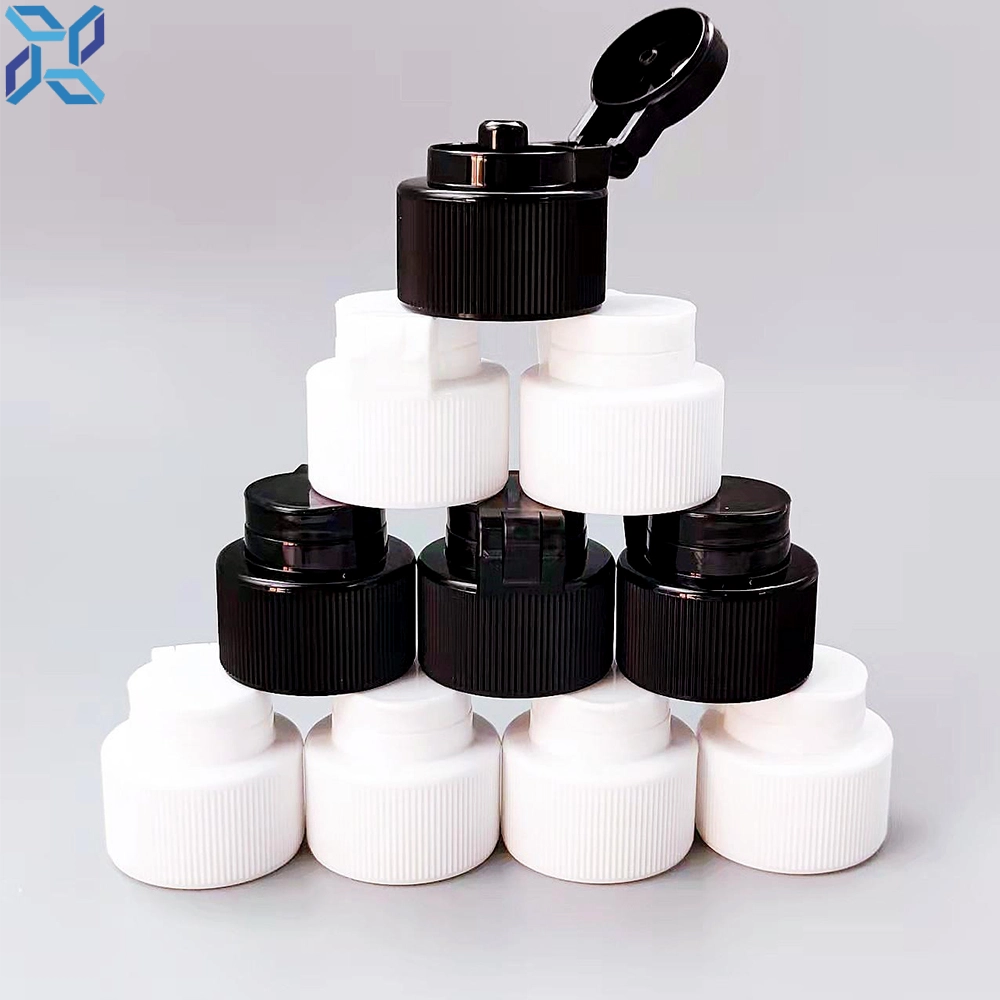
OEM Injection Mould Design Plastic Double Opening Caps for Plastic Glitter Shaker Bottles
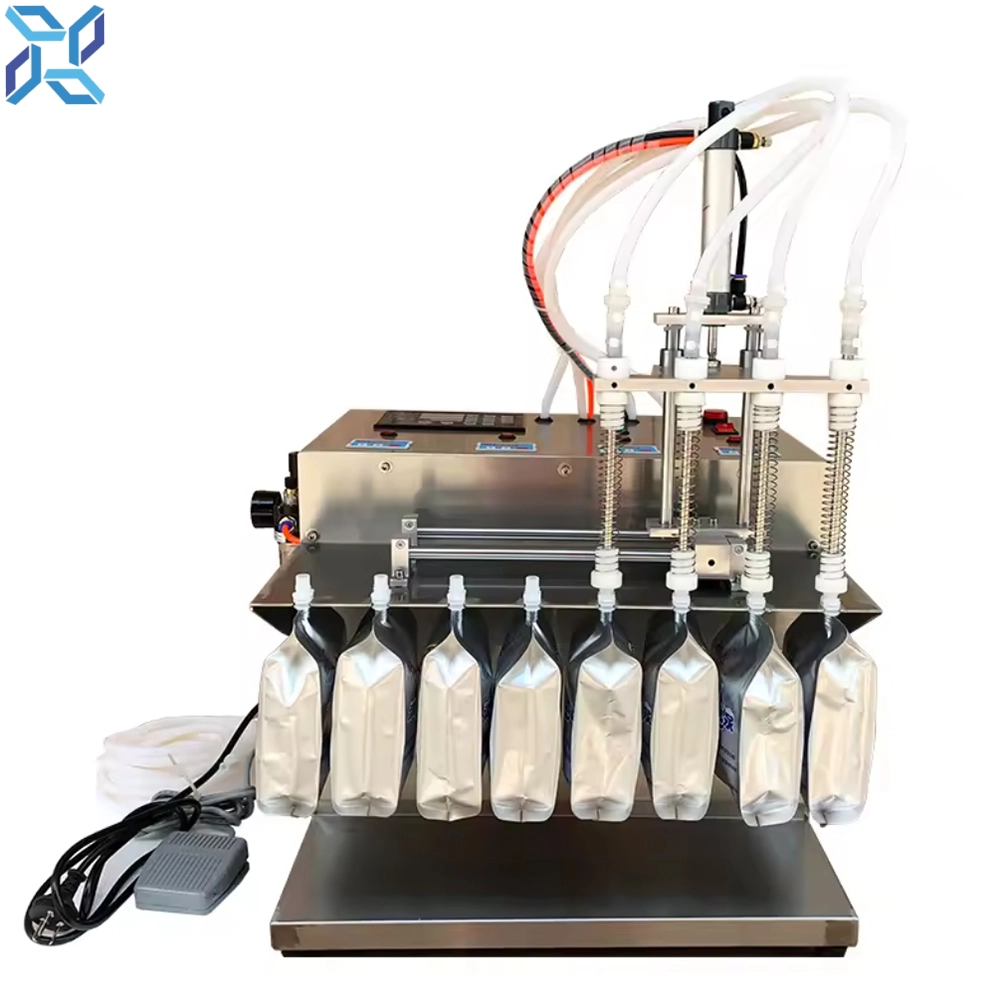
Stand Up Pouch Filling And Sealing Machine
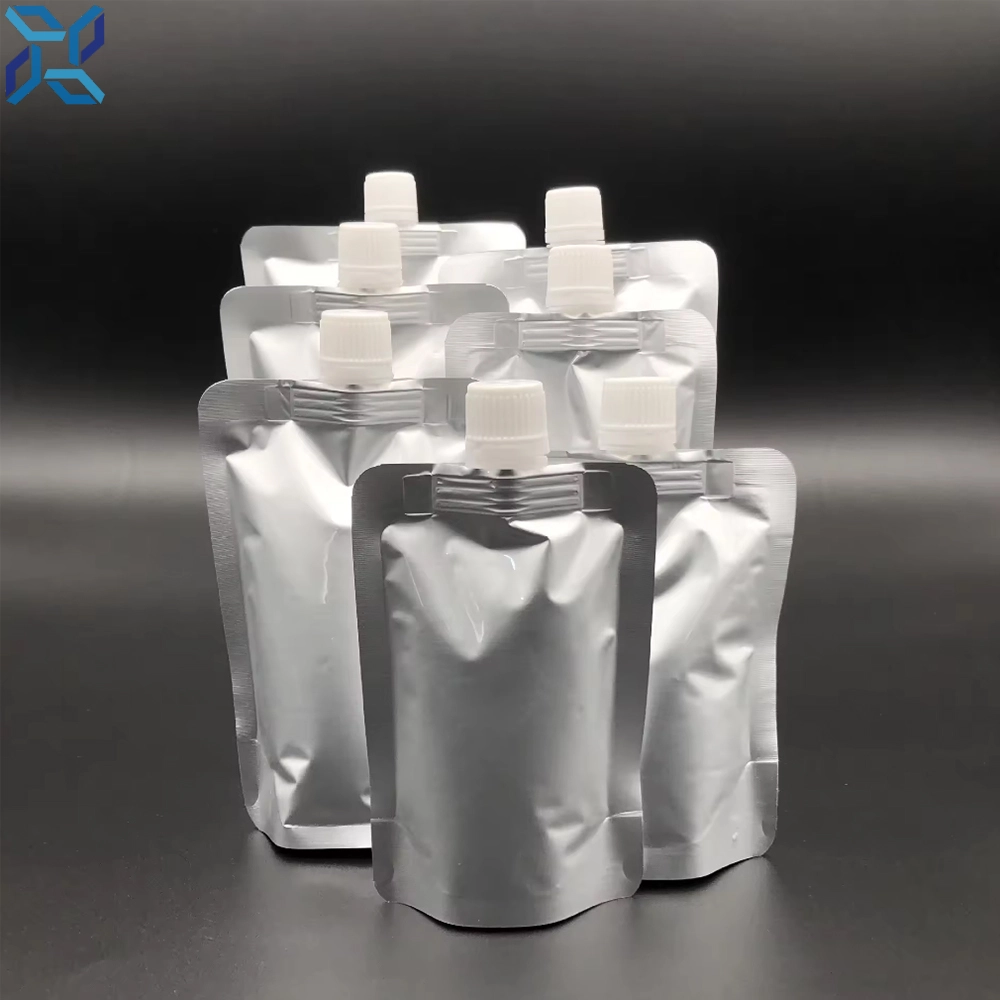
Customized Printing Plastic Zipper Top Stand Up Mylar Bags For Snack Chips Packaging
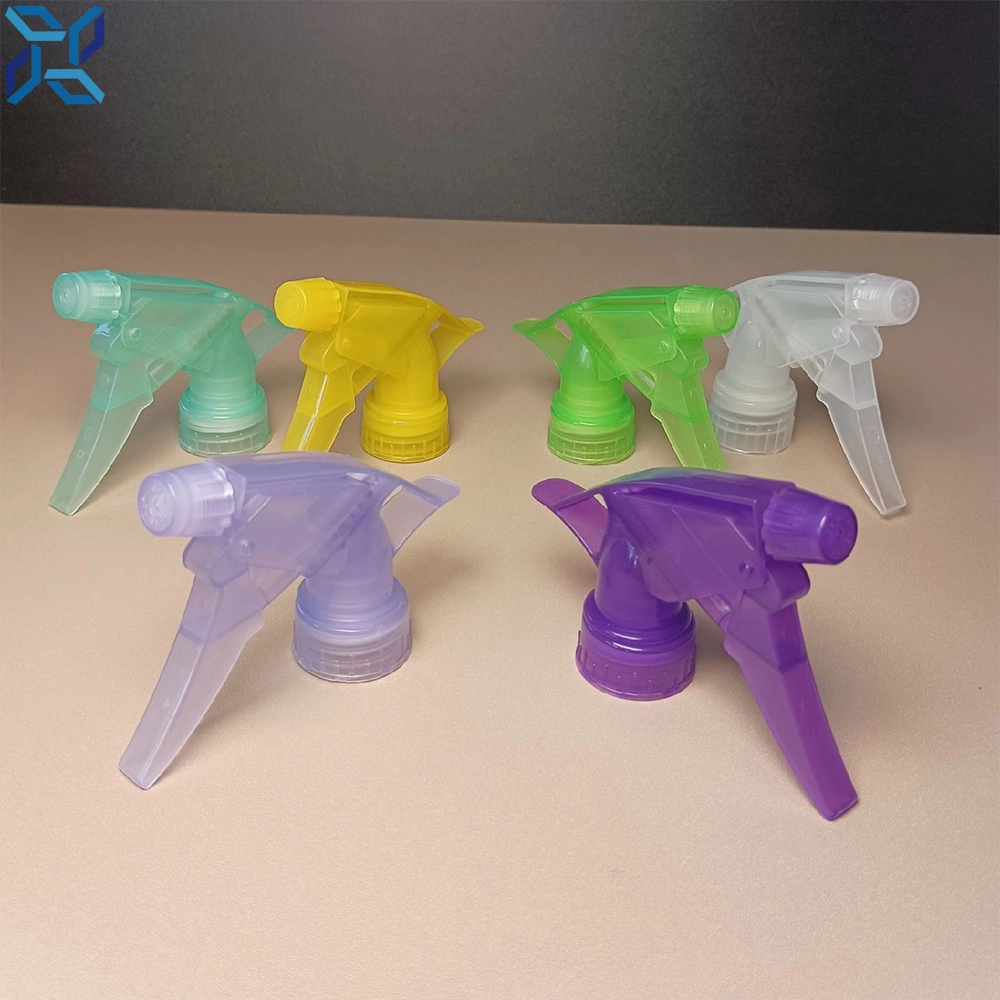
Closure Heavy Duty Spray Trigger Nozzle PP Plastic Type Heavy Duty Trigger Spray Bottle Wholesale
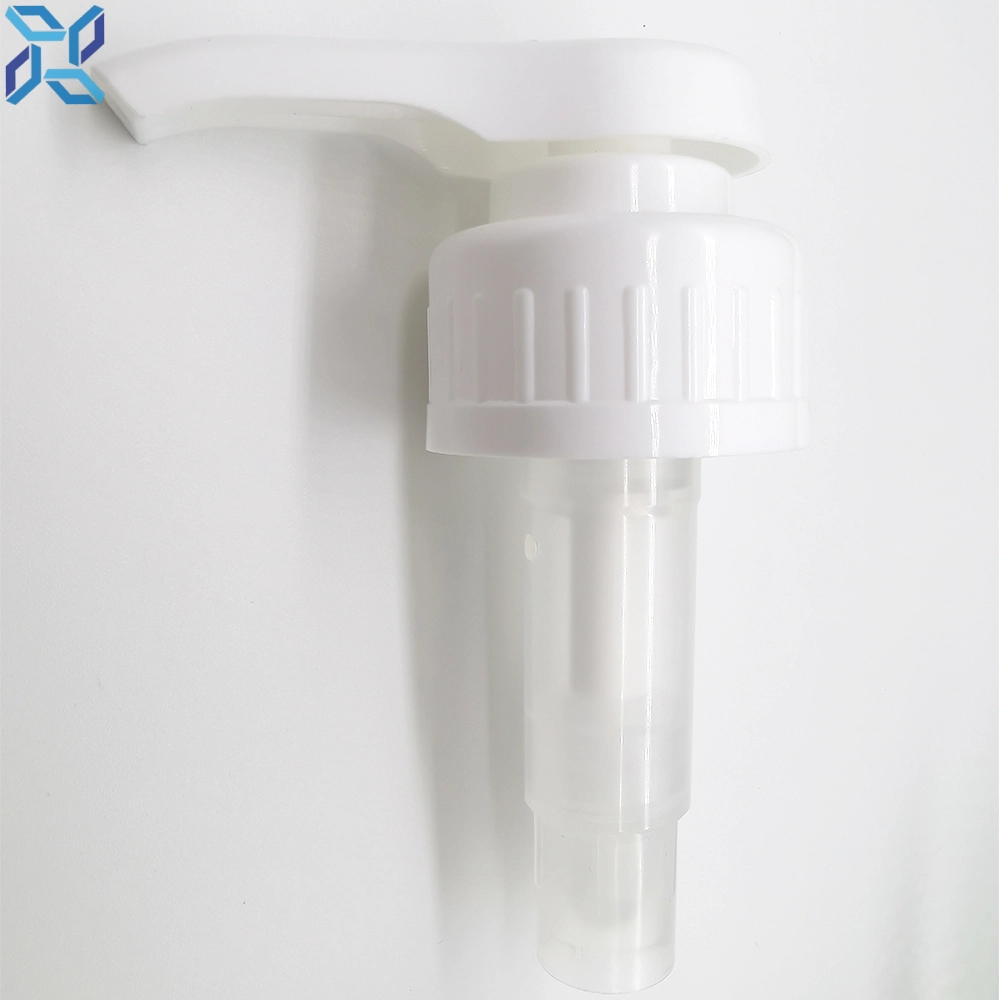
PP PE Plastic Soap Hand Foam Dispenser Foaming Spray Pump Matte Foam Pump
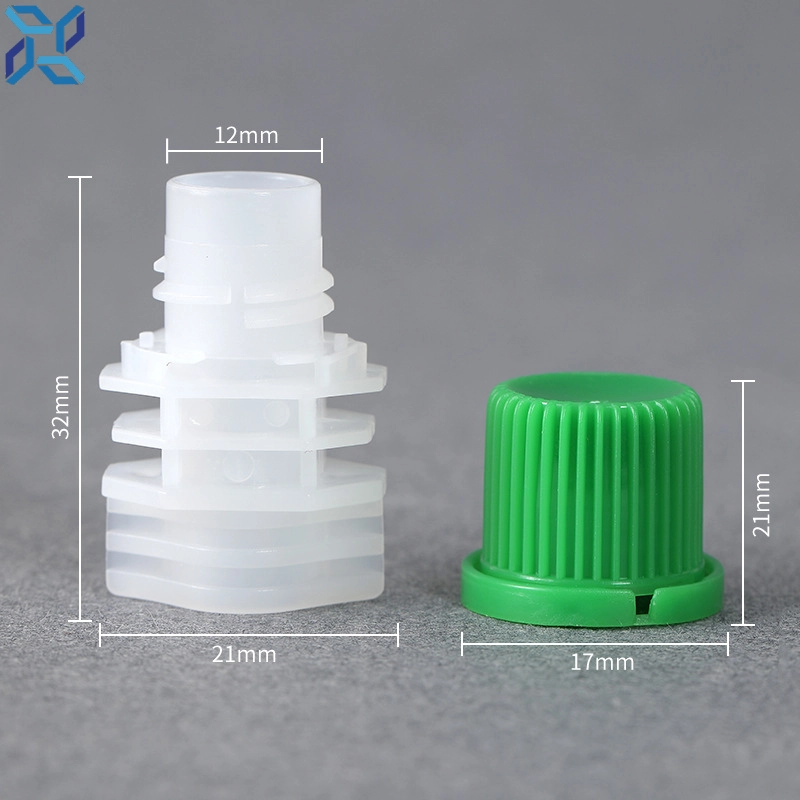
China recycled pouch caps juice pouch cap for food pouch
Discover the eco-friendly China recycled pouch caps by Xinda Pelosi.
Engineered for food pouches, our pouched suction nozzle and caps ensure freshness and convenience.
Ideal for brands seeking sustainable solutions, purchase recycled pouch caps to enhance your product packaging with our innovative pouch spout cap design.
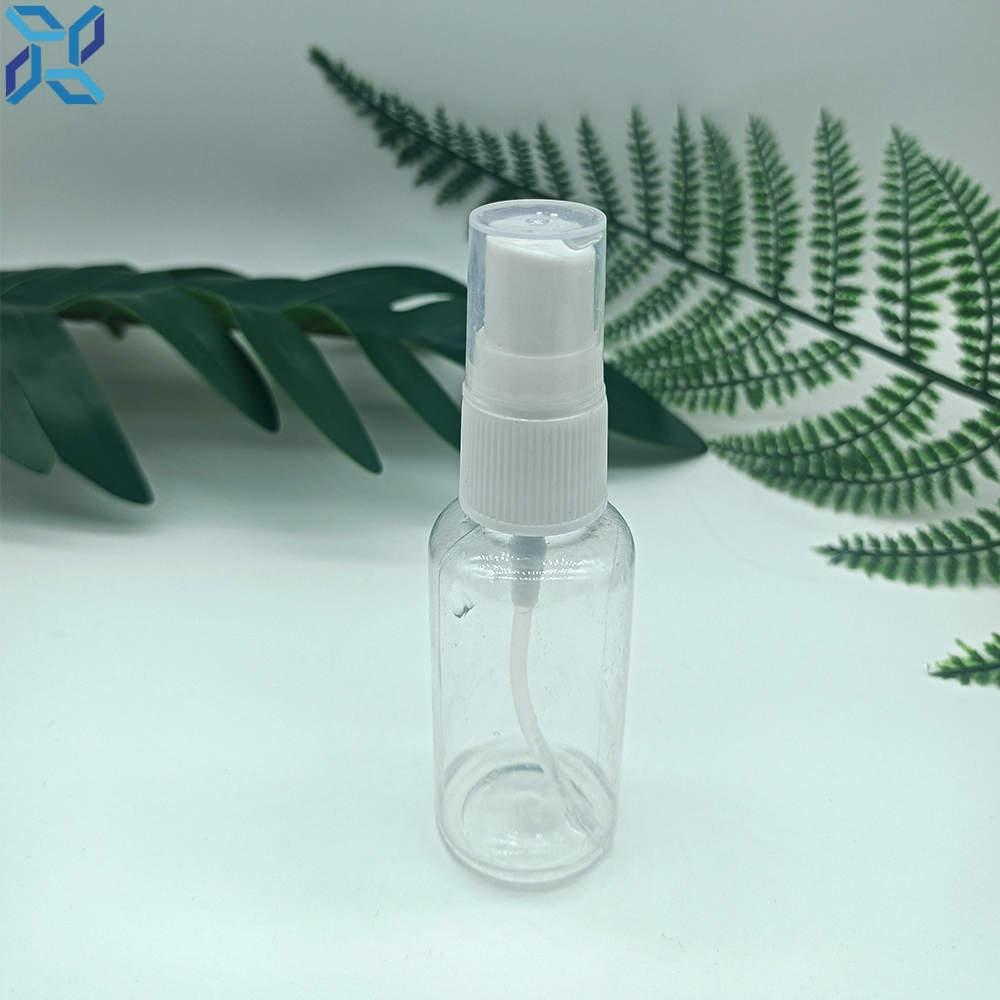
Fashioned Unique Design Custom Made Perfume Bottle Bulb Atomizer Spray
Luxury Liquid Dispenser Aluminum Lotion Dispenser Pump For Cosmetic Bottles
Get in touch with Xinda pelosi
Have any questions or queries about our products? Please leave us a message here and our team will get back to you promptly.
Your inquiries, ideas, and collaboration opportunities are just a click away. Let's start the conversation.
* Rest assured that your privacy is important to us, and all information provided will be handled with the utmost confidentiality.

 Scan QR Code
Whatsapp: +8613640286461