
How thick is a stand-up pouch? | Xinda Pelosi Guide
Choosing the right stand-up pouch thickness is vital. This guide from Xinda Pelosi explains how product properties, packaging needs, and shelf-life expectations impact the necessary gauge (mils/microns). We cover typical materials and thicknesses, helping you choose the ideal balance between protection, performance, and cost. Partner with a packaging supplier for expert advice on your specific application.
How Thick is a Stand-Up Pouch? Understanding Stand-Up Pouch Film Thickness
Choosing the right stand-up pouch for your product often hinges on understanding the film thickness. This impacts durability, barrier properties, and overall cost. This article clarifies the factors influencing stand-up pouch thickness and helps you make informed decisions.
Factors Determining Stand-Up Pouch Thickness
Several factors influence the thickness (or gauge) of a stand-up pouch. These include:
Product Properties: The nature of your product dictates the required barrier protection. For example, liquids and powders will require different thicknesses than dry goods. Products prone to oxidation or moisture absorption need thicker films to maintain shelf life.
Packaging Requirements: Do you need a pouch that can withstand high-speed filling processes? A thicker film provides better structural integrity, reducing the risk of tearing or punctures during filling and transportation. Consider the need for resealability and features like zippers.
Shelf Life Expectations: Longer shelf life often requires thicker films with enhanced barrier properties against oxygen, moisture, and light.
Intended Distribution: Pouch thickness should be adjusted based on the type of distribution. Products facing rough handling during transportation and storage need thicker, more robust pouches.
Typical Stand-Up Pouch Thicknesses and Materials
Stand-up pouches are typically constructed from multiple layers of different materials, each contributing to the overall thickness and functionality. Common materials include:
Polyethylene (PE): Offers flexibility, heat sealability, and moisture resistance.
Polypropylene (PP): Provides stiffness, strength, and a good barrier against moisture.
Metallized Polyester (PET): Adds a high barrier to oxygen and light, enhancing product shelf life.
Nylon: Offers excellent strength and tear resistance.
The overall thickness is often expressed in mils (thousandths of an inch) or microns (µm). A typical range might be 2.5 - 10 mils (63.5µm - 254µm), depending on the factors mentioned above. However, there's no single “standard” thickness. Thinner pouches are cost-effective but may offer limited protection, whereas thicker pouches provide greater durability and barrier properties but at a higher cost.
Choosing the Right Thickness for Your Product
Working with a packaging supplier is crucial. They can assess your product's specific requirements and recommend the optimal stand-up pouch thickness to balance protection, functionality, and cost-effectiveness. Precise specifications should be determined through careful consideration of the factors above.
Google Page Meta Title:Stand-Up Pouch Thickness Guide | Xinda Pelosi
Google Page Meta Description:Learn about factors determining stand-up pouch thickness (mils/microns) and how to choose the right one for your product with Xinda Pelosi.
Google Page Summary:Choosing the right stand-up pouch thickness is vital. This guide from Xinda Pelosi explains how product properties, packaging needs, and shelf-life expectations impact the necessary gauge (mils/microns). We cover typical materials and thicknesses, helping you choose the ideal balance between protection, performance, and cost. Partner with a packaging supplier for expert advice on your specific application.
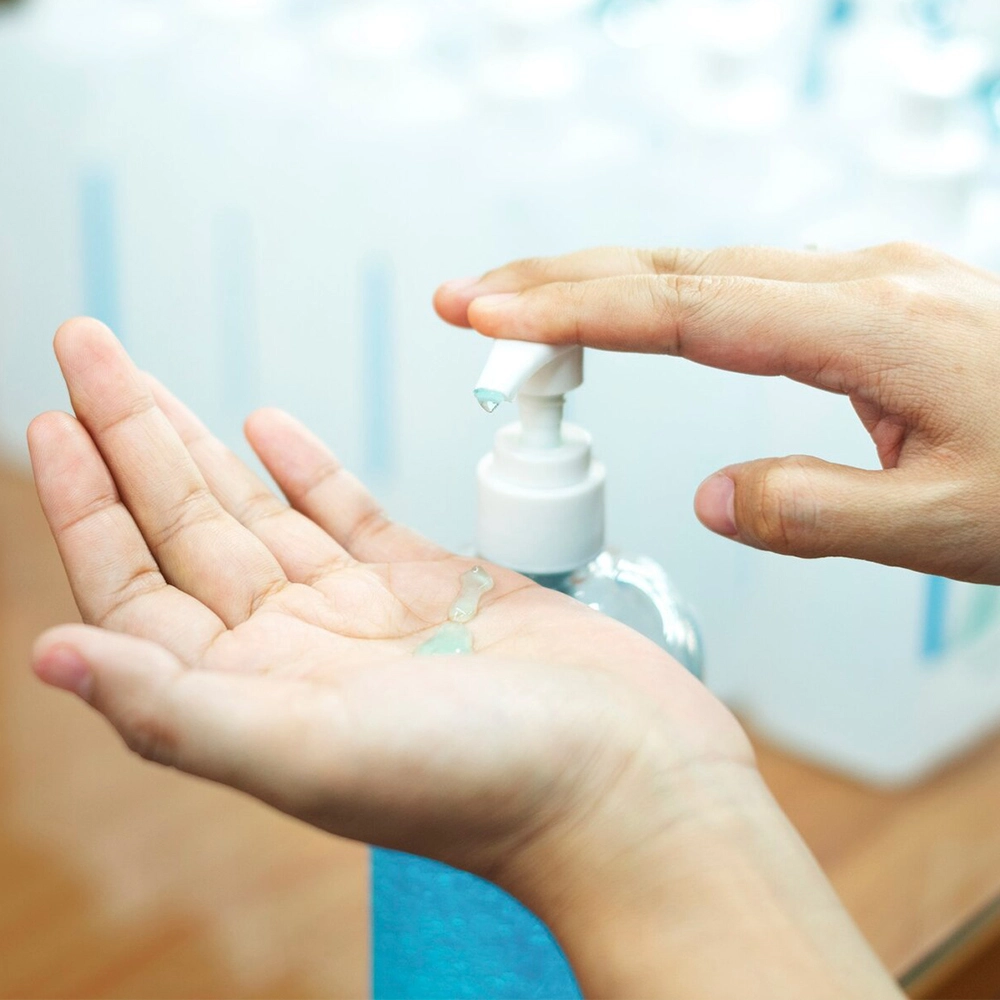
Why a Soap Dispenser Pump for Kitchen Sink is a Smart Choice
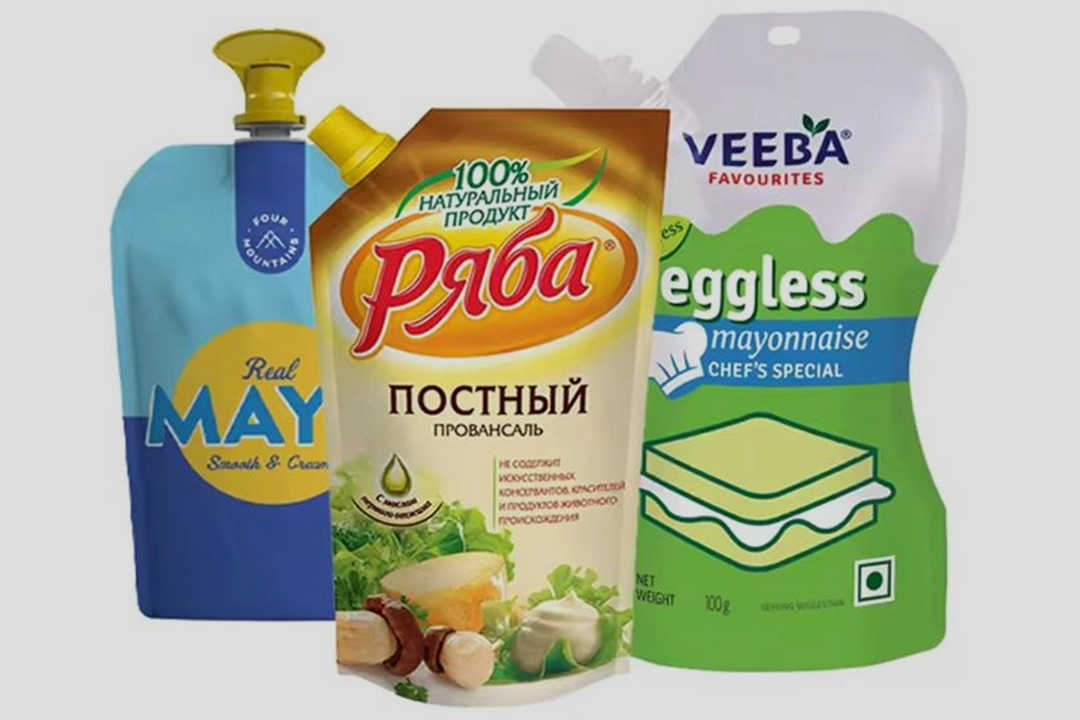
A Beginner’s Guide to Liquid Pouch
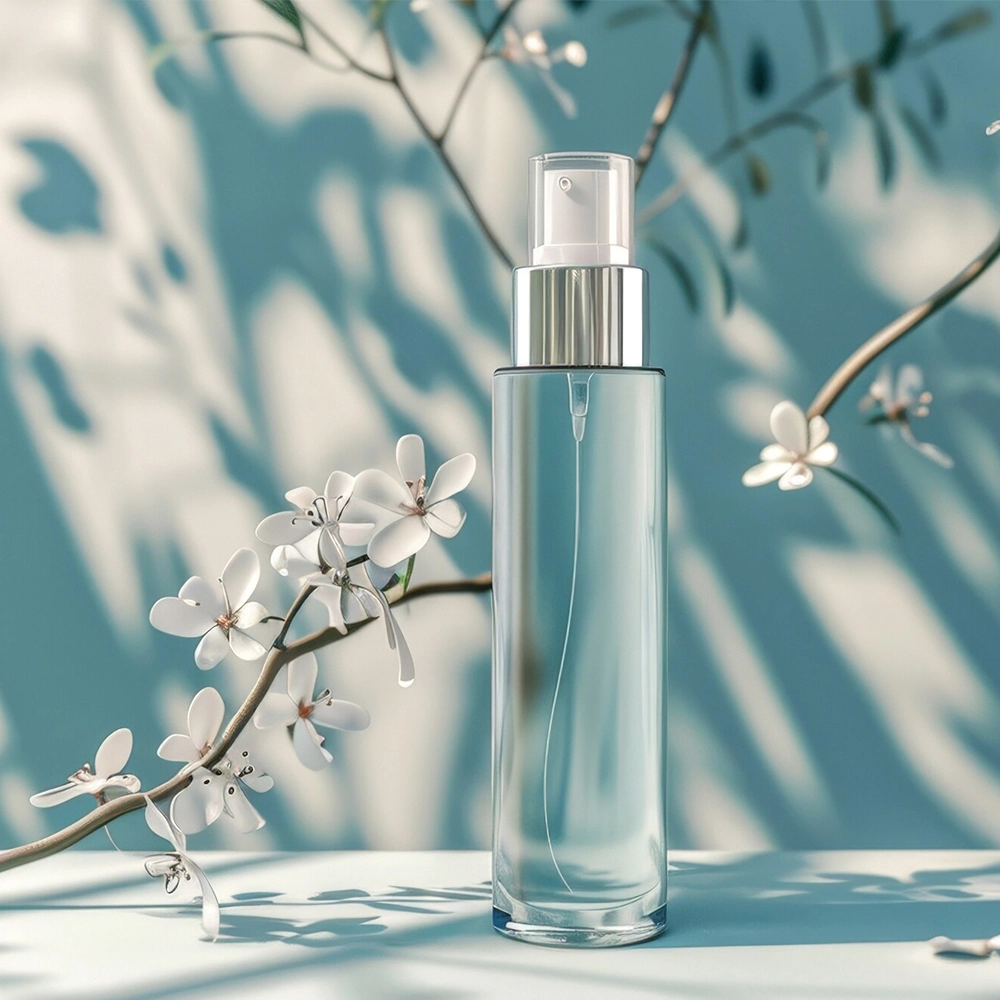
How to Choose the Size of a Travel Perfume Sprayer ?
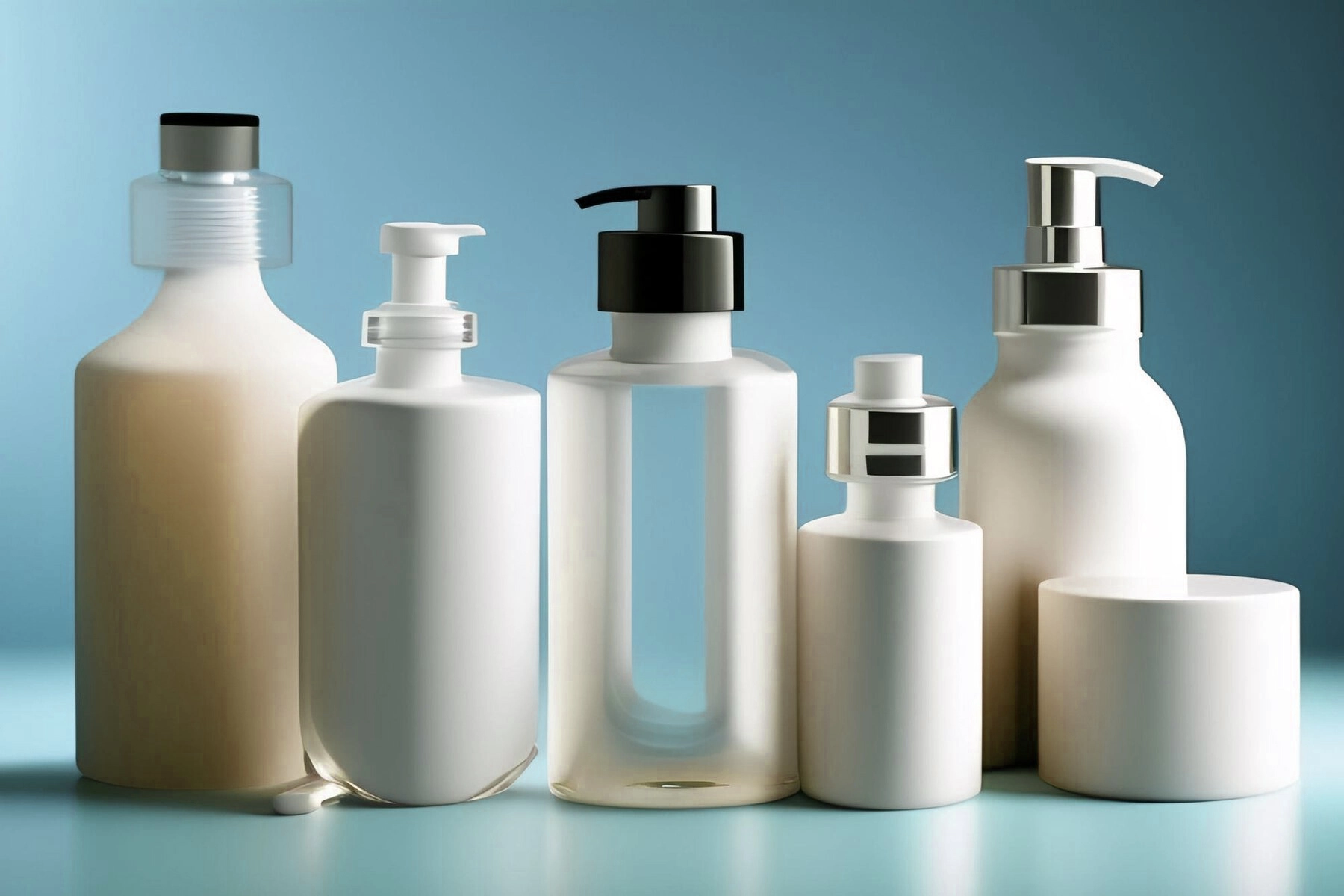
Лучший в Китае бренд производителей кепок с откидной крышкой
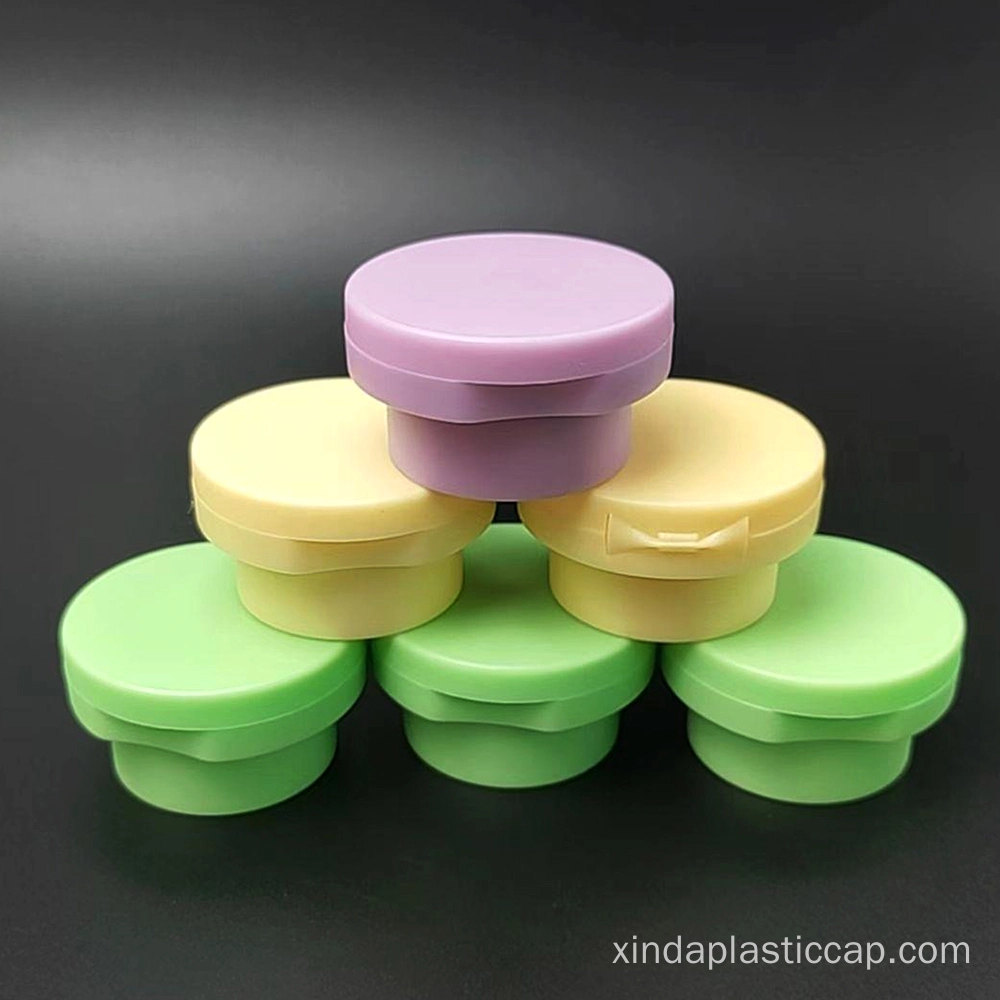
How Flip Top Cap Manufacturer Transforms Daily Use
For application
What is the application area of the item?
Easily dispense shampoo, lotions, liquid soaps, body soap, dish soap, creams and aromatherapy/essential oil mixtures as your
idea.
Which area your products are suitable?
For sealing bottles containing liquids, powders, or granular products; cleaning; personal care; biomedicine; cosmetic packaging; chemical industry.
For shipping
How many days to receive sample ? What's your delivery time ?
About 3-5 days to get sample. Usually, it takes about 10–15 days for production; it also depends on the quality and quantity of the goods.
What is your shipping way?
By sea, by air, or by express, etc. We will help you choose the best shipping method according to your specific requirements.
For payment
What is the trade terms and payment terms?
Trade terms: FOB &CIF ,C&F . Payment term : T/T , 30% as deposit , 70% before shipping .
You may also like
We provide a variety of packaging solutions to both small and large businesses and service numerous industries, including beauty and personal care, food and beverage, household and industrial chemicals, and veterinary care.
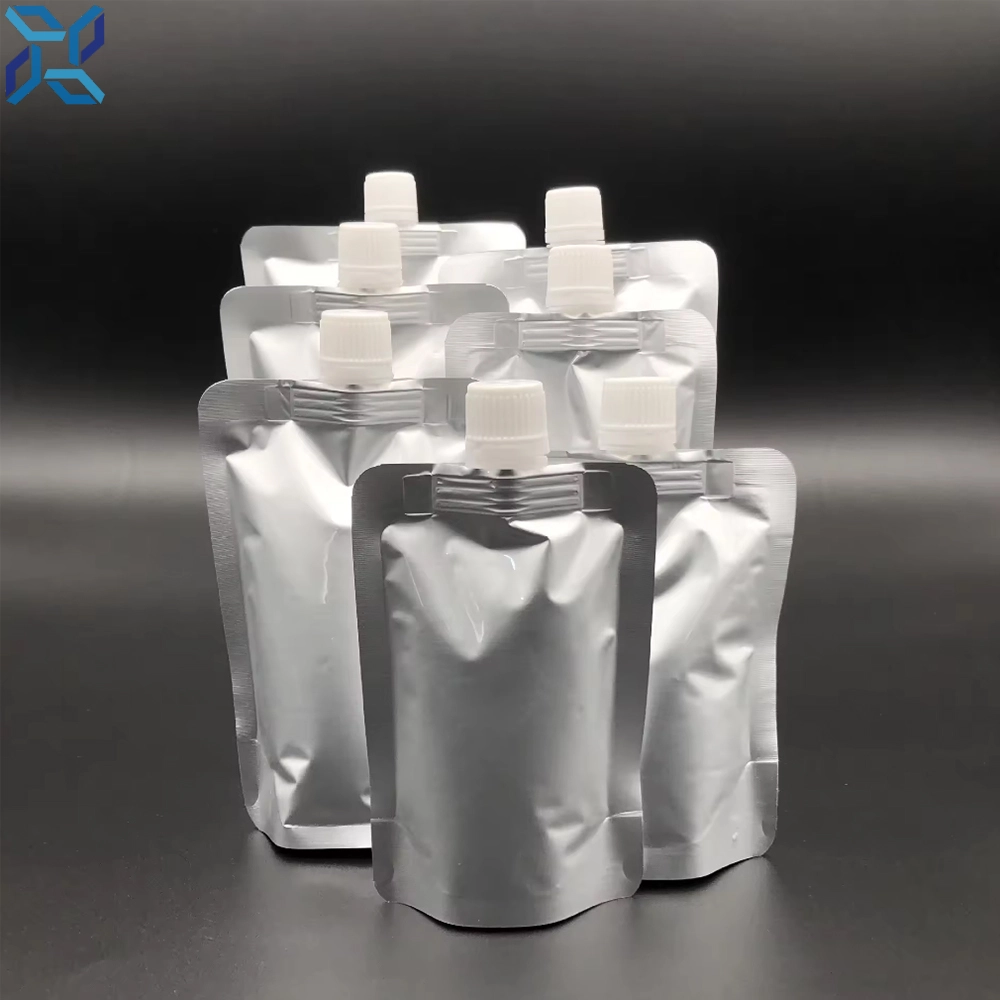
Customized Printing Plastic Zipper Top Stand Up Mylar Bags For Snack Chips Packaging
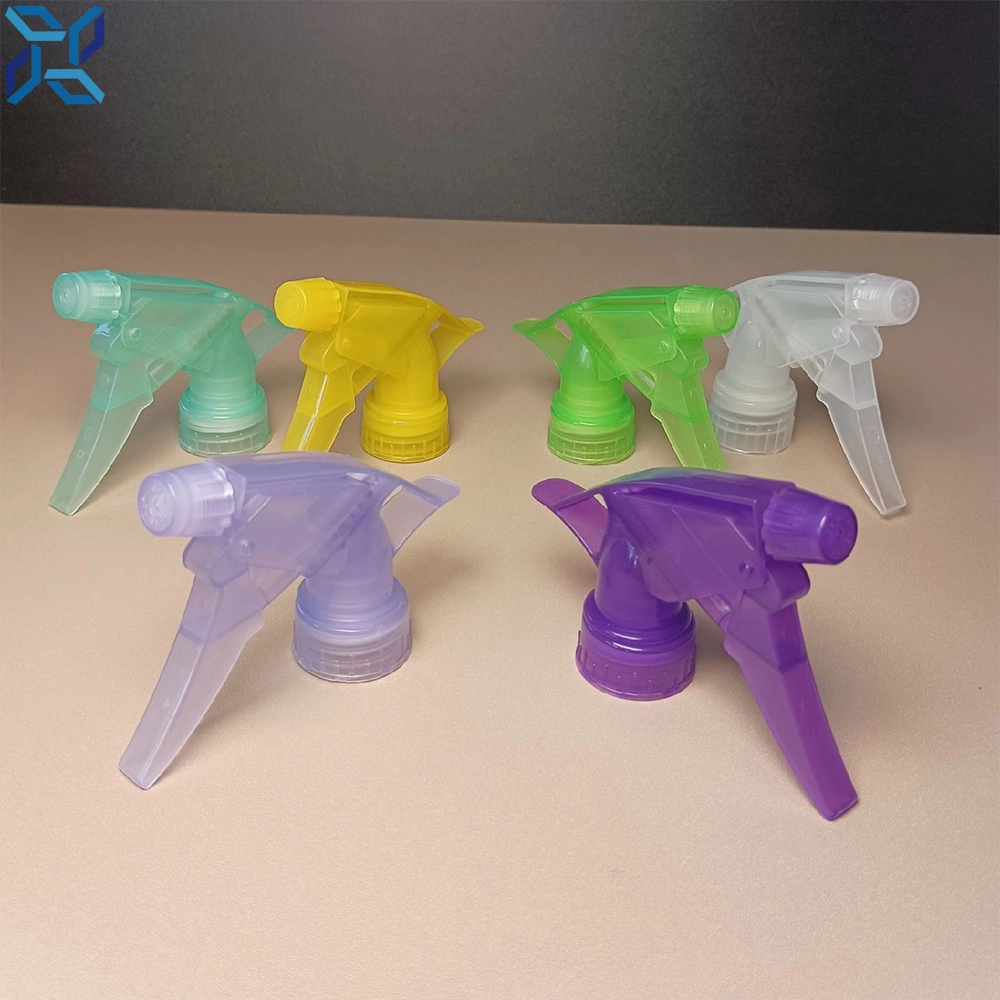
Closure Heavy Duty Spray Trigger Nozzle PP Plastic Type Heavy Duty Trigger Spray Bottle Wholesale
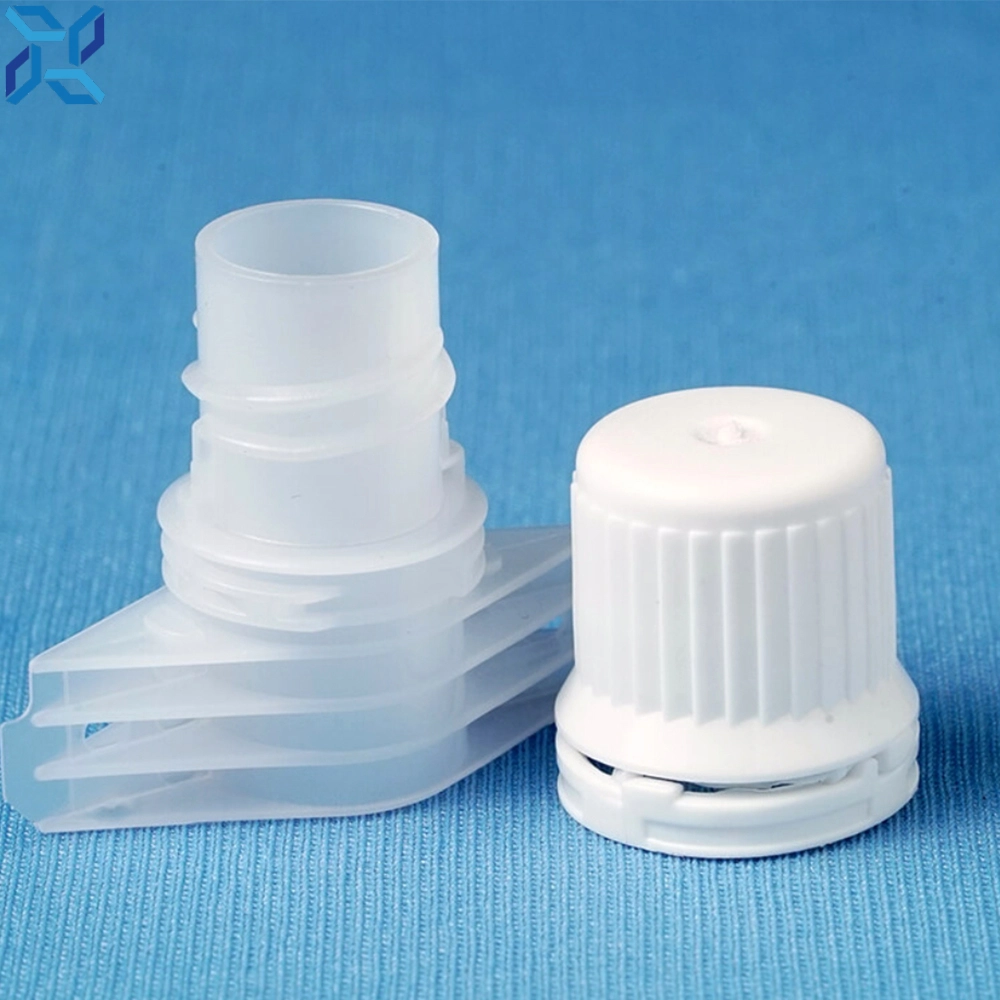
Customized spouted stand up pouch plastic spout water liquid wine pouch spout cap
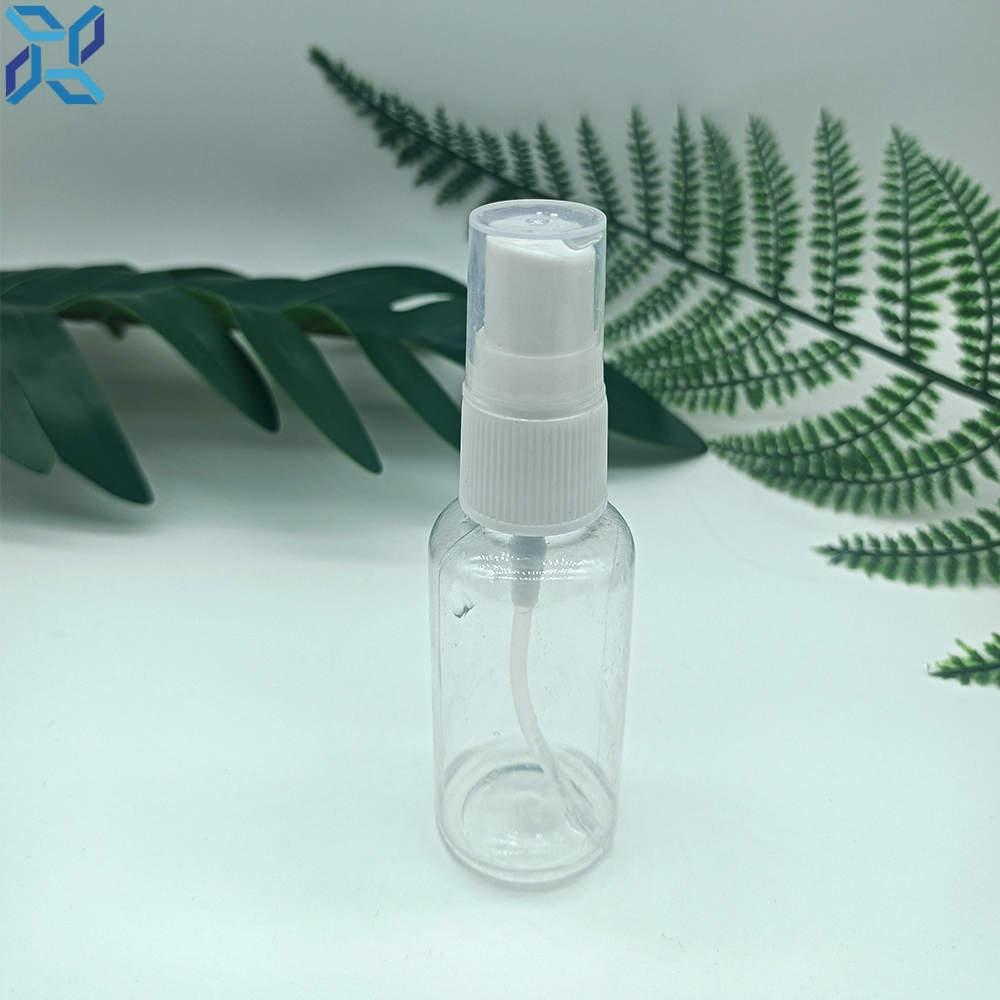
Fashioned Unique Design Custom Made Perfume Bottle Bulb Atomizer Spray
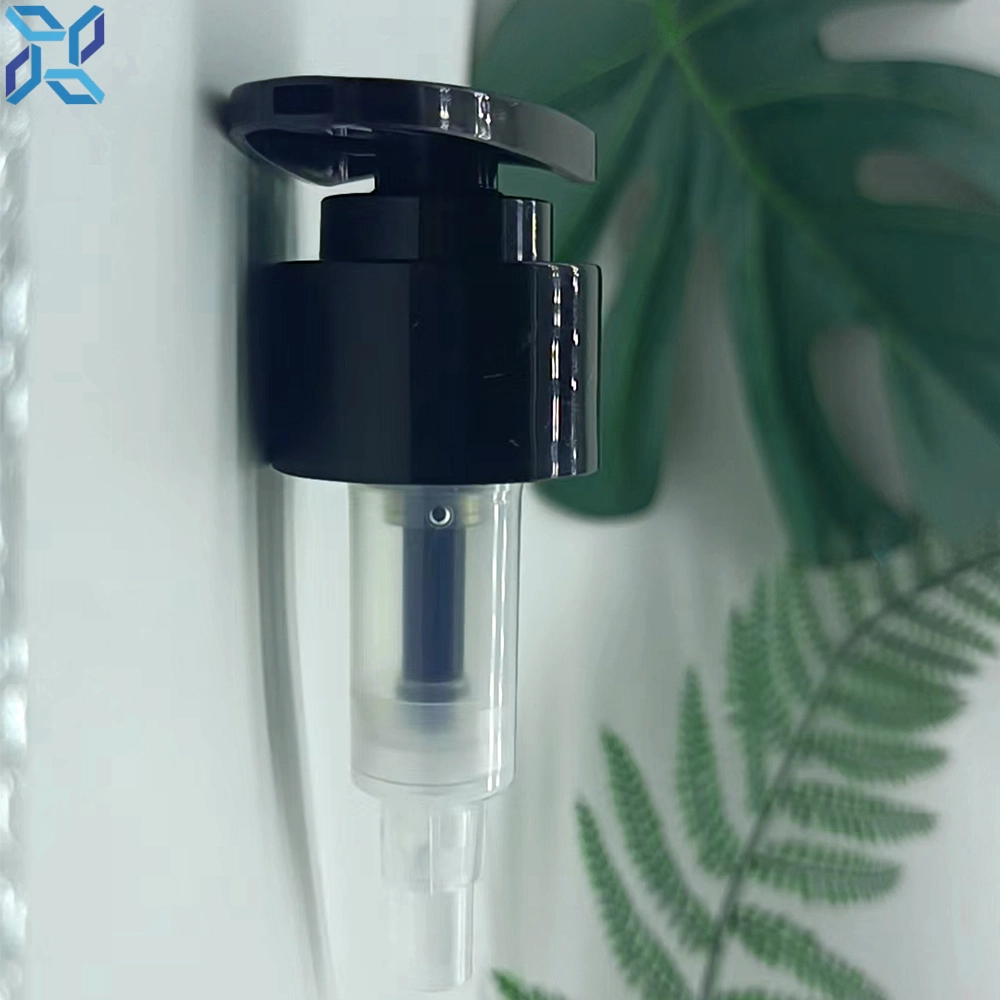
Luxury Liquid Dispenser Aluminum Lotion Dispenser Pump For Cosmetic Bottles
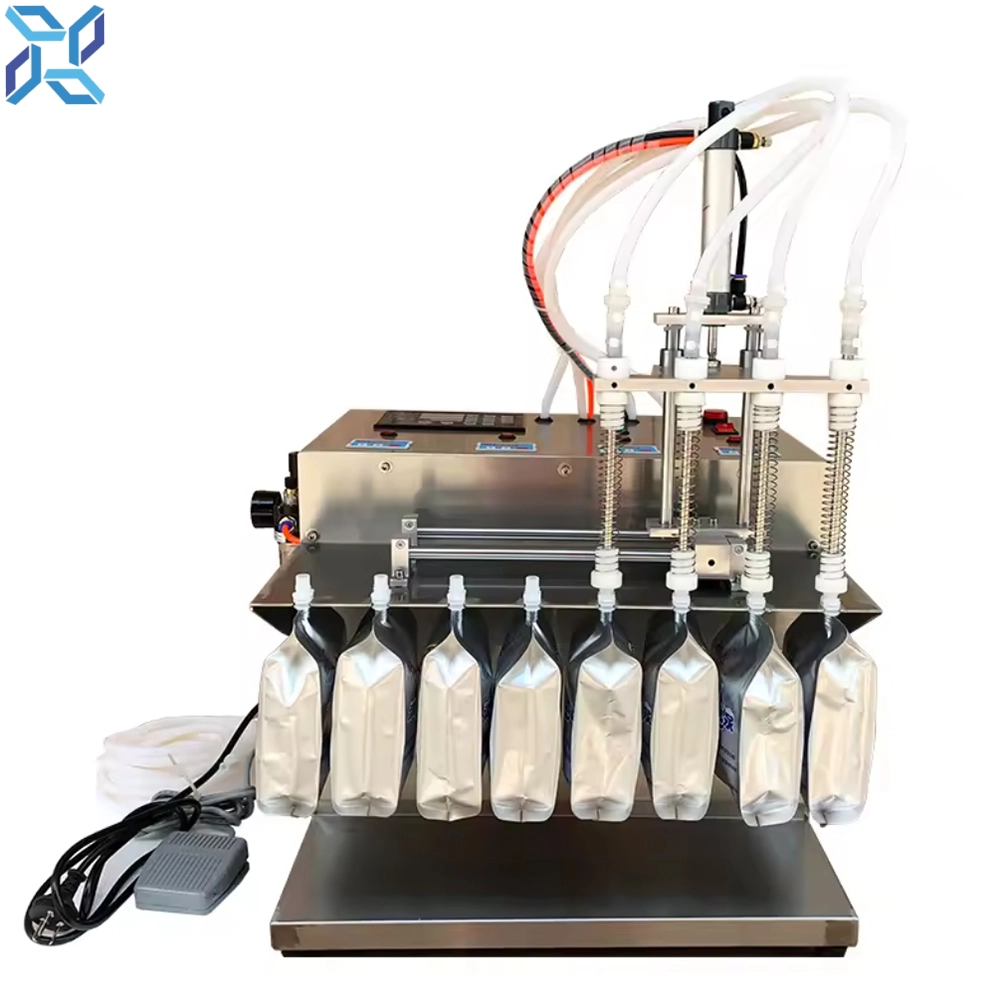
Stand Up Pouch Filling And Sealing Machine
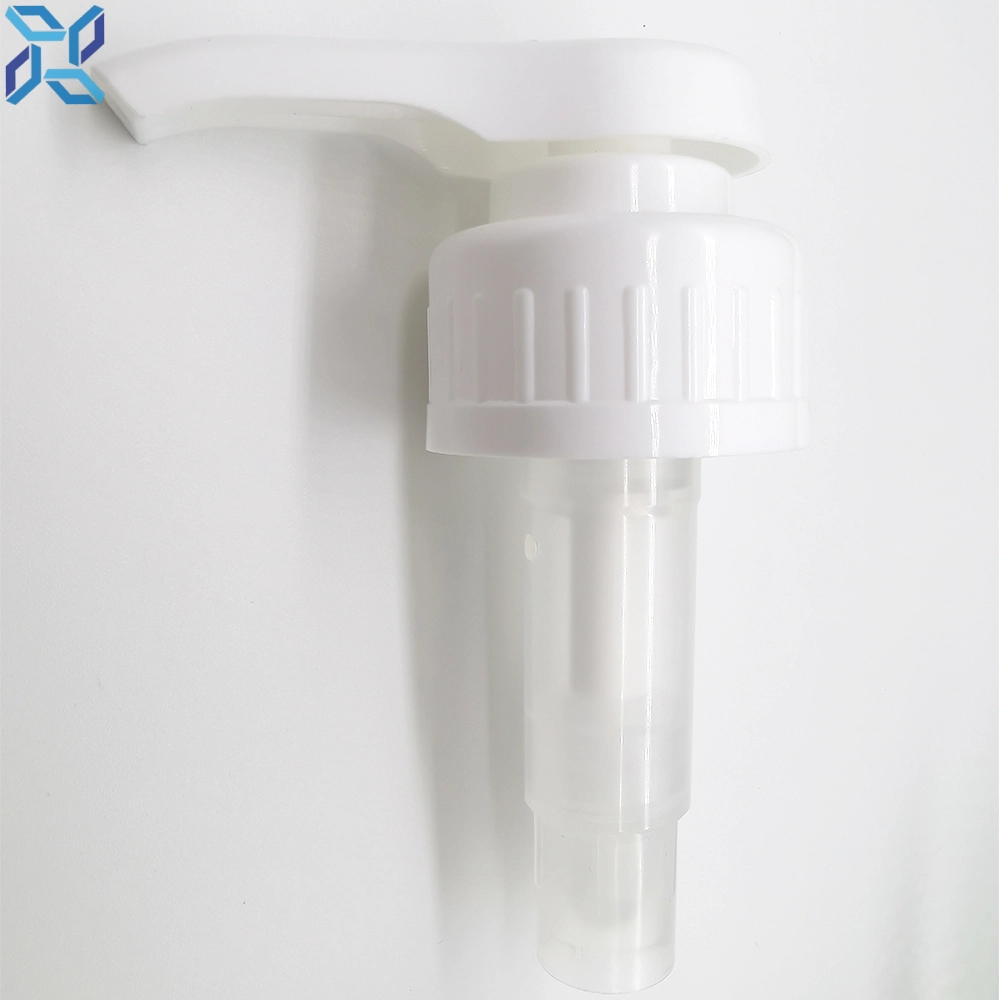
PP PE Plastic Soap Hand Foam Dispenser Foaming Spray Pump Matte Foam Pump
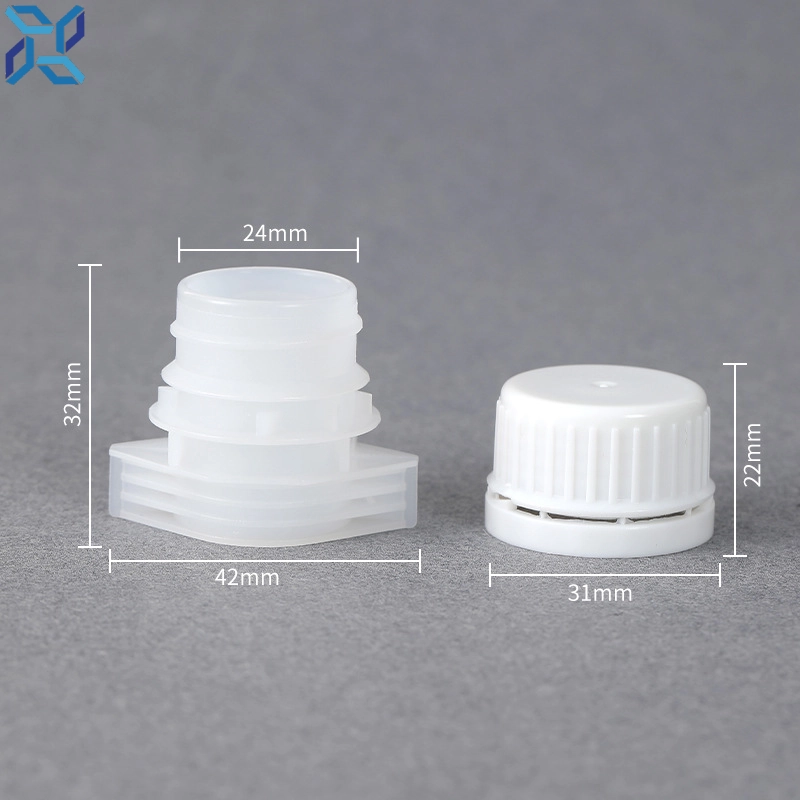
Customized white plastic spout pouch with cap manufacturers
Xinda Pelosi manufactures custom white plastic spout pouches with caps.
Perfect for your unique needs, our pouches offer superior quality and reliable sealing.
Get a quote today for your customized plastic spout caps.
Get in touch with Xinda pelosi
Have any questions or queries about our products? Please leave us a message here and our team will get back to you promptly.
Your inquiries, ideas, and collaboration opportunities are just a click away. Let's start the conversation.
* Rest assured that your privacy is important to us, and all information provided will be handled with the utmost confidentiality.

 Scan QR Code
Whatsapp: +8613640286461