
Can you turn regular hand soap into foaming hand soap? | Xinda Pelosi Guide
While you can't directly transform bar or liquid hand soap into foaming soap without adding ingredients, creating a foaming hand soap solution from liquid soap is achievable. This article explores cost-effective and efficient methods. Learn about the necessary ratios and considerations for successful conversion. This is particularly useful for facilities needing to maximize existing soap supplies or maintain consistent hand hygiene protocols.
Can You Turn Regular Hand Soap into Foaming Hand Soap?
Understanding the Difference
Foaming hand soap isn't simply regular hand soap diluted with water. Its airy texture comes from the addition of a foaming agent, typically a surfactant like sodium lauryl sulfoacetate (SLSA) or sodium cocoyl isethionate (SCI). These surfactants create a rich lather with less soap, potentially reducing consumption costs over time.
Methods for Creating Foaming Hand Soap
There are two primary methods for converting regular liquid hand soap into a foaming version:
Method 1: The Simple Dilution Method (Suitable for existing foaming dispensers)
This method is straightforward but requires a pre-existing foaming soap dispenser.
1. Ratio: Begin with a 1:1 ratio of liquid hand soap to water. (Example: 100ml soap to 100ml water).
2. Mixing: Gently mix the soap and water in a clean container. Avoid vigorous shaking to prevent excessive foaming during mixing.
3. Testing: Fill your foaming dispenser and test. Adjust the ratio (more water for a less concentrated foam, more soap for a richer lather) until you achieve the desired consistency.
Note: This method relies on the dispenser’s internal mechanism to create the foam. The resulting foam may not be as rich or stable as commercial foaming soap.
Method 2: Adding a Foaming Agent (For a higher-quality foam)
This method requires purchasing a foaming agent. Consult safety data sheets (SDS) and follow manufacturer instructions precisely.
1. Ingredient Selection: Choose a food-grade foaming agent for applications involving food preparation areas.
2. Ratio: Follow the foaming agent manufacturer’s instructions for the correct soap-to-foaming-agent-to-water ratio. This will vary depending on the specific agent.
3. Mixing: Carefully mix all ingredients following the manufacturer's recommendations. Thorough mixing is crucial for consistent results.
4. Testing: Test the mixture in your foaming dispenser, adjusting the ratio as needed to achieve the optimal foam consistency and stability.
Considerations
Soap Type: The viscosity of your starting soap will influence the final foam. Thicker soaps may require more water or foaming agent.
Dispenser Type: The design of your foaming dispenser will affect the quality of the foam produced.
Safety: Always prioritize safety when handling chemicals. Wear appropriate personal protective equipment (PPE) when working with foaming agents.
By following these methods, professionals can effectively and efficiently convert regular hand soap into foaming hand soap, optimizing existing supplies and maintaining a hygienic environment. Remember to always consult relevant safety data sheets and follow manufacturer instructions.
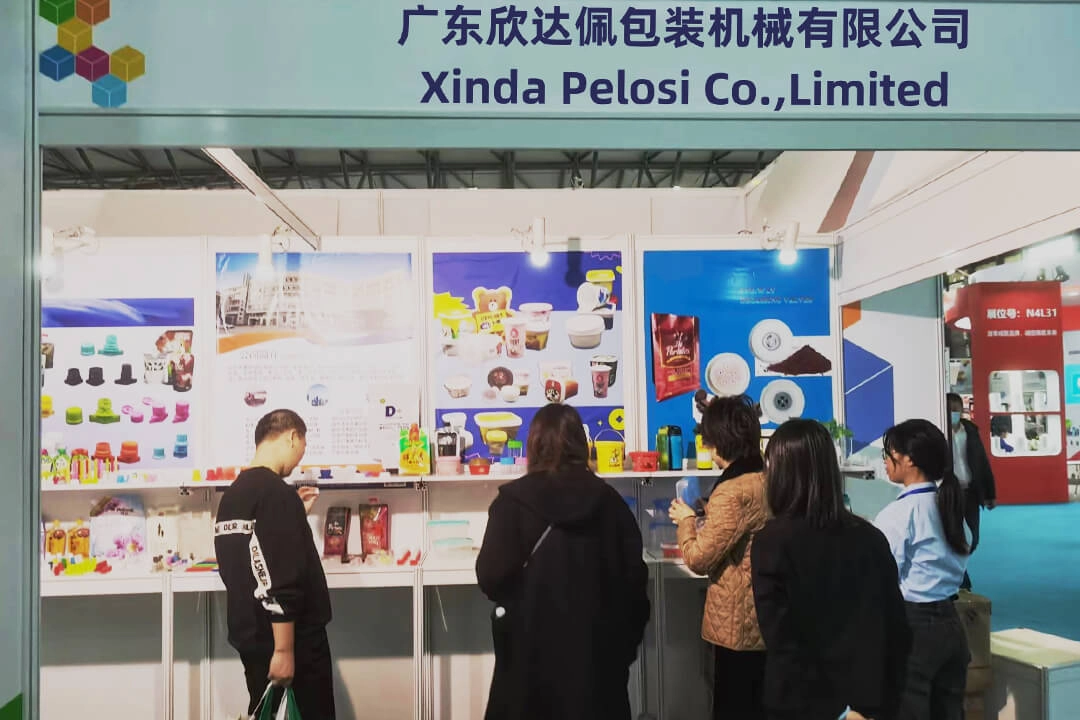
SWOP Processing and Packaging November 22-24, 2023 Shanghai
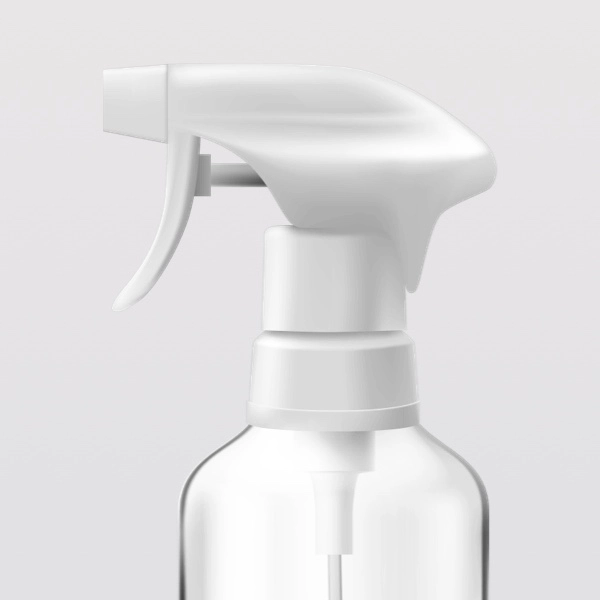
Top Common Uses of Customized Plastic Trigger Sprayers in Everyday Products: Enhancing Convenience and Efficiency
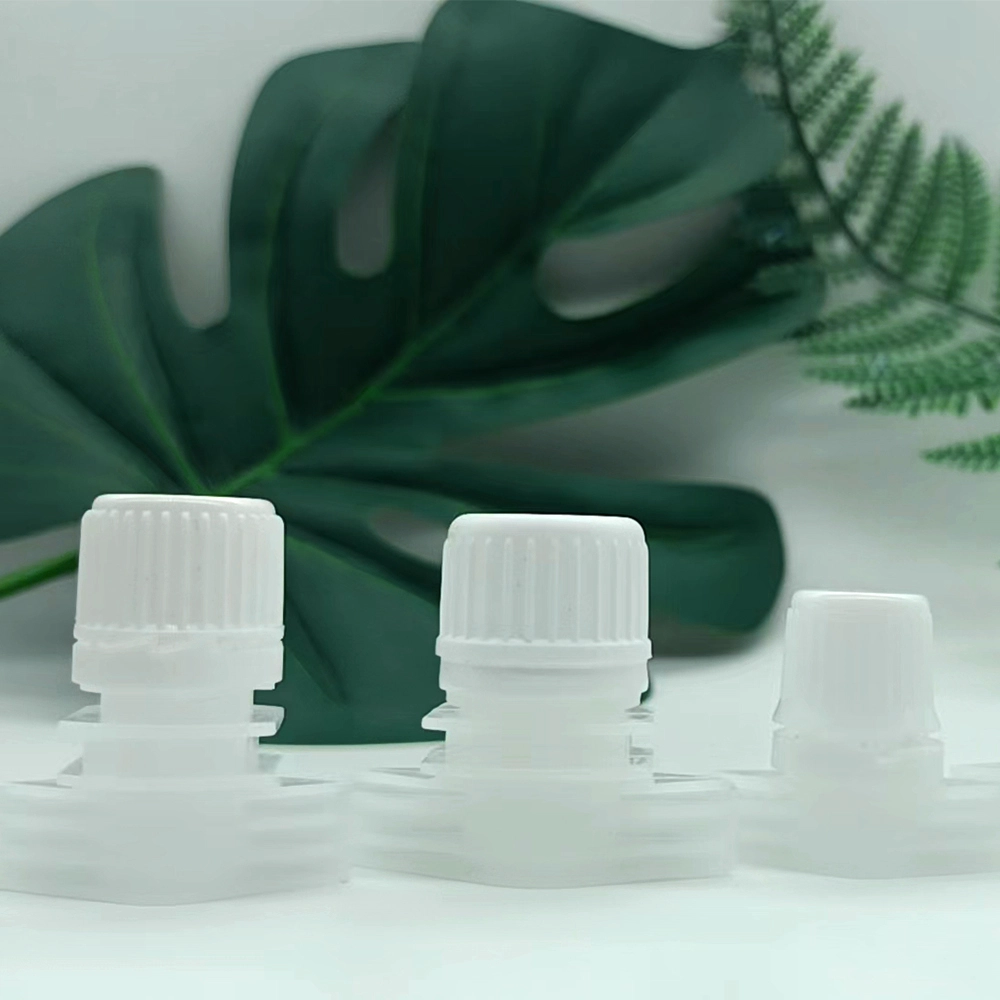
Custom Plastic Spout Caps: Your Complete Guide | Xinda Pelosi
How to Choose the Size of a Travel Perfume Sprayer ?
Herstellermarke für Kosmetikflaschenverschlüsse bester Qualität in Asien
For Customization
Do you accept customized?
Yes. You can design your logo on the spout and cap; you can also design the spout and cap by your side.
We will produce samples according to your designs. After you confirm the sample.
For Products
What happen in case any quality problem is identified after arrival?
We take full responsibility for any manufacturing defect, would either refund or reship good products to you.
For application
What's the applications of PP spout caps?
PP is commonly used in spout caps for a wide range of products, including food and beverage items, due to its ability to withstand various environmental conditions.
Are lotion dispenser pumps suitable for all types of lotions?
Yes, lotion dispenser pumps are designed to handle various viscosities, making them suitable for a wide range of lotions, creams, and liquids.
For shipping
What is your terms of delivery?
We accept EXW, FOB, CIF etc. You can choose the one which is the most convenient or cost effective for you.
You may also like
We provide a variety of packaging solutions to both small and large businesses and service numerous industries, including beauty and personal care, food and beverage, household and industrial chemicals, and veterinary care.
Fashioned Unique Design Custom Made Perfume Bottle Bulb Atomizer Spray
Luxury Liquid Dispenser Aluminum Lotion Dispenser Pump For Cosmetic Bottles
Stand Up Pouch Filling And Sealing Machine
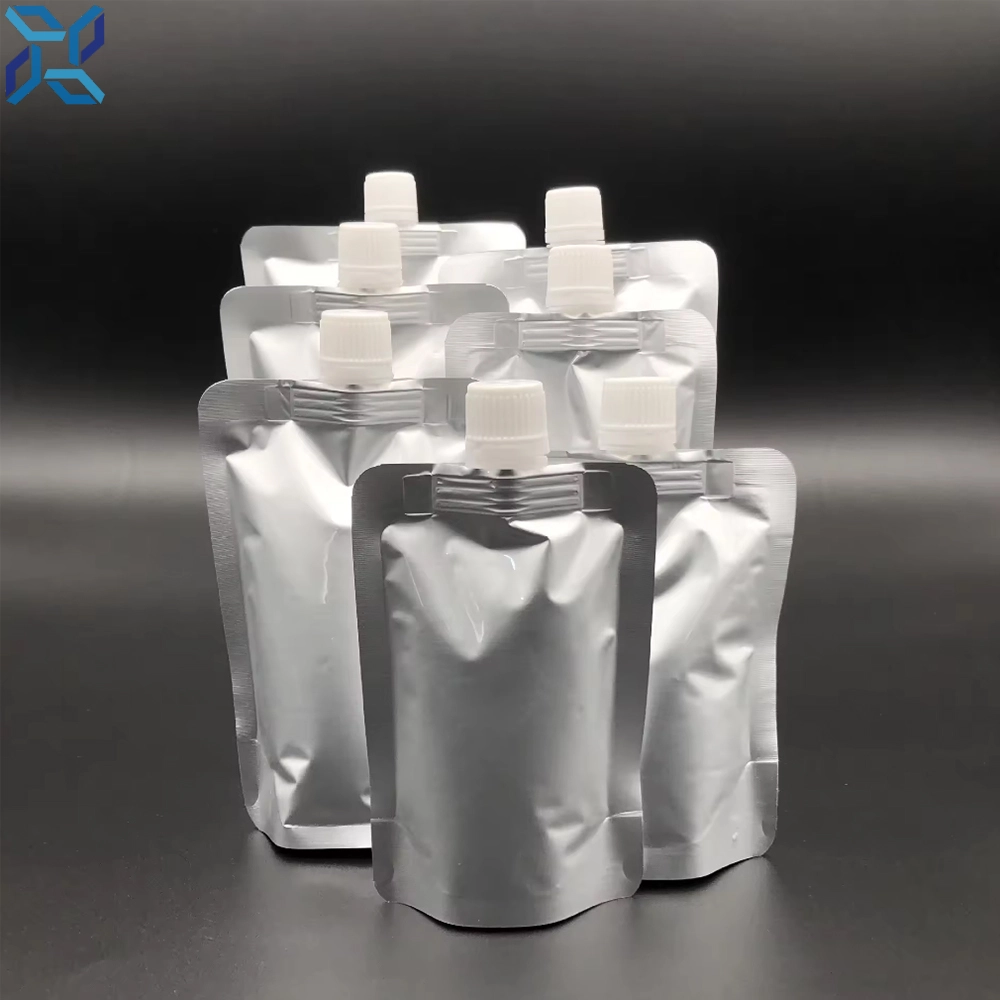
Customized Printing Plastic Zipper Top Stand Up Mylar Bags For Snack Chips Packaging
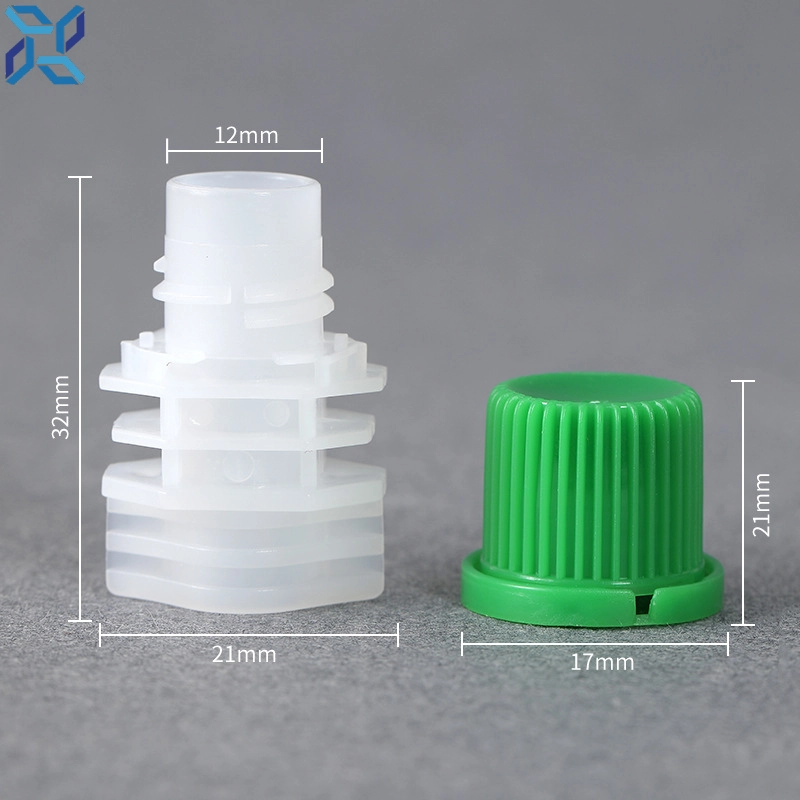
China recycled pouch caps juice pouch cap for food pouch
Discover the eco-friendly China recycled pouch caps by Xinda Pelosi.
Engineered for food pouches, our pouched suction nozzle and caps ensure freshness and convenience.
Ideal for brands seeking sustainable solutions, purchase recycled pouch caps to enhance your product packaging with our innovative pouch spout cap design.
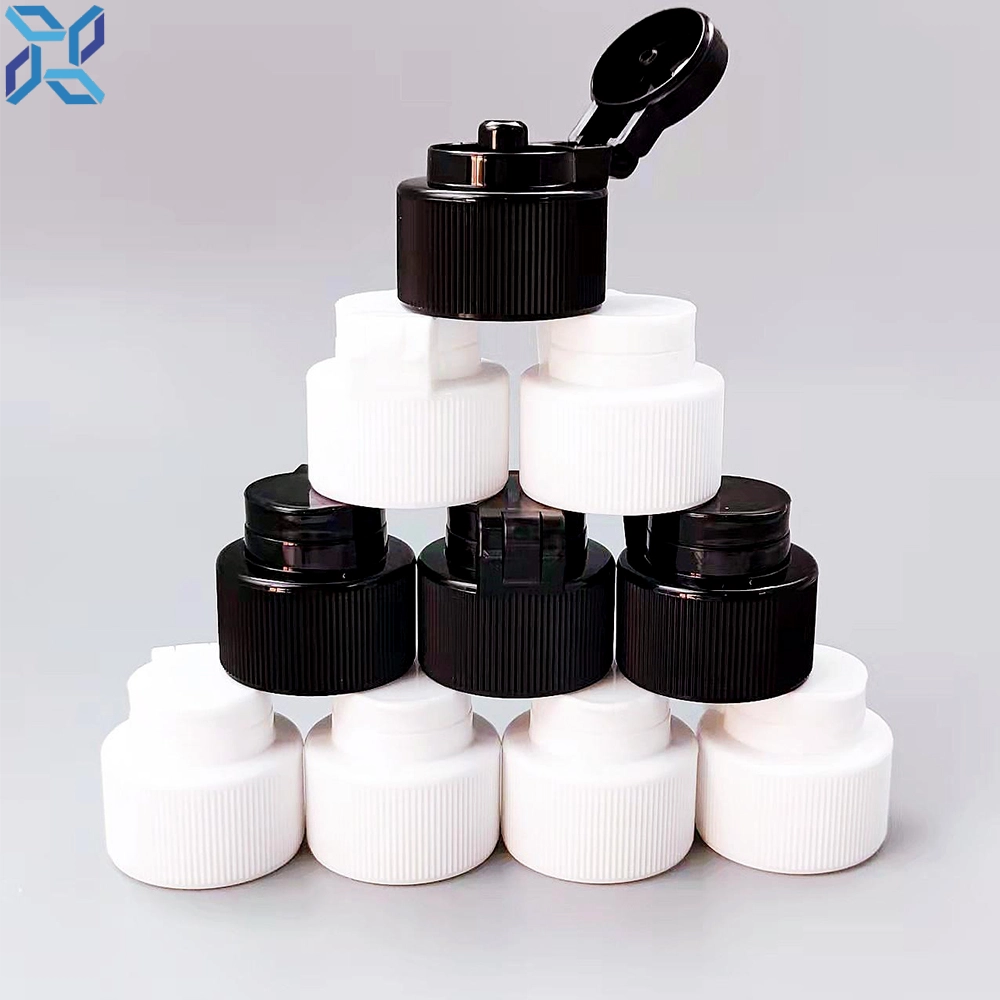
OEM Injection Mould Design Plastic Double Opening Caps for Plastic Glitter Shaker Bottles
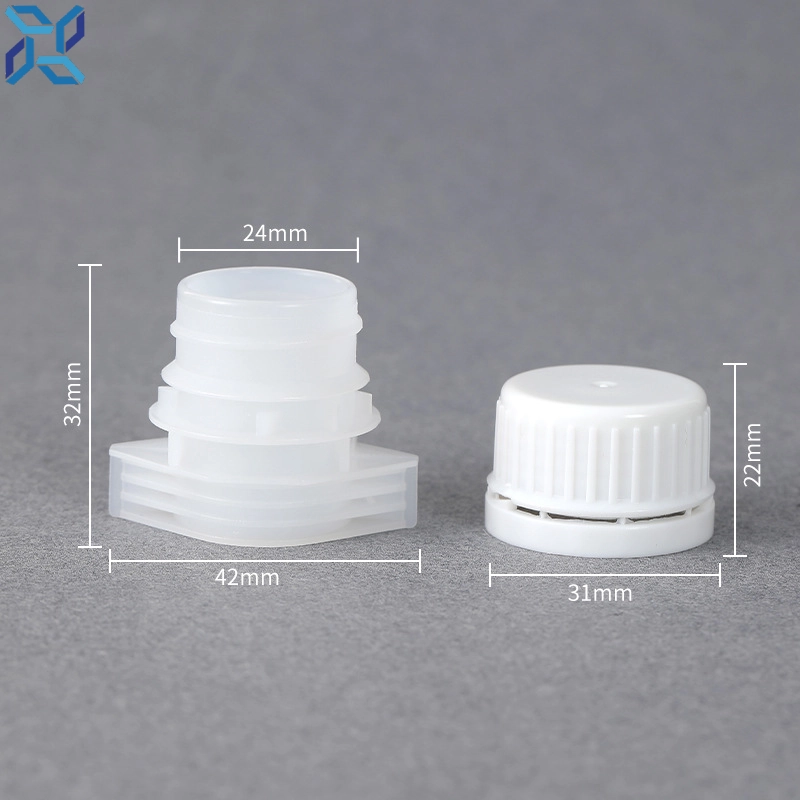
Customized white plastic spout pouch with cap manufacturers
Xinda Pelosi manufactures custom white plastic spout pouches with caps.
Perfect for your unique needs, our pouches offer superior quality and reliable sealing.
Get a quote today for your customized plastic spout caps.
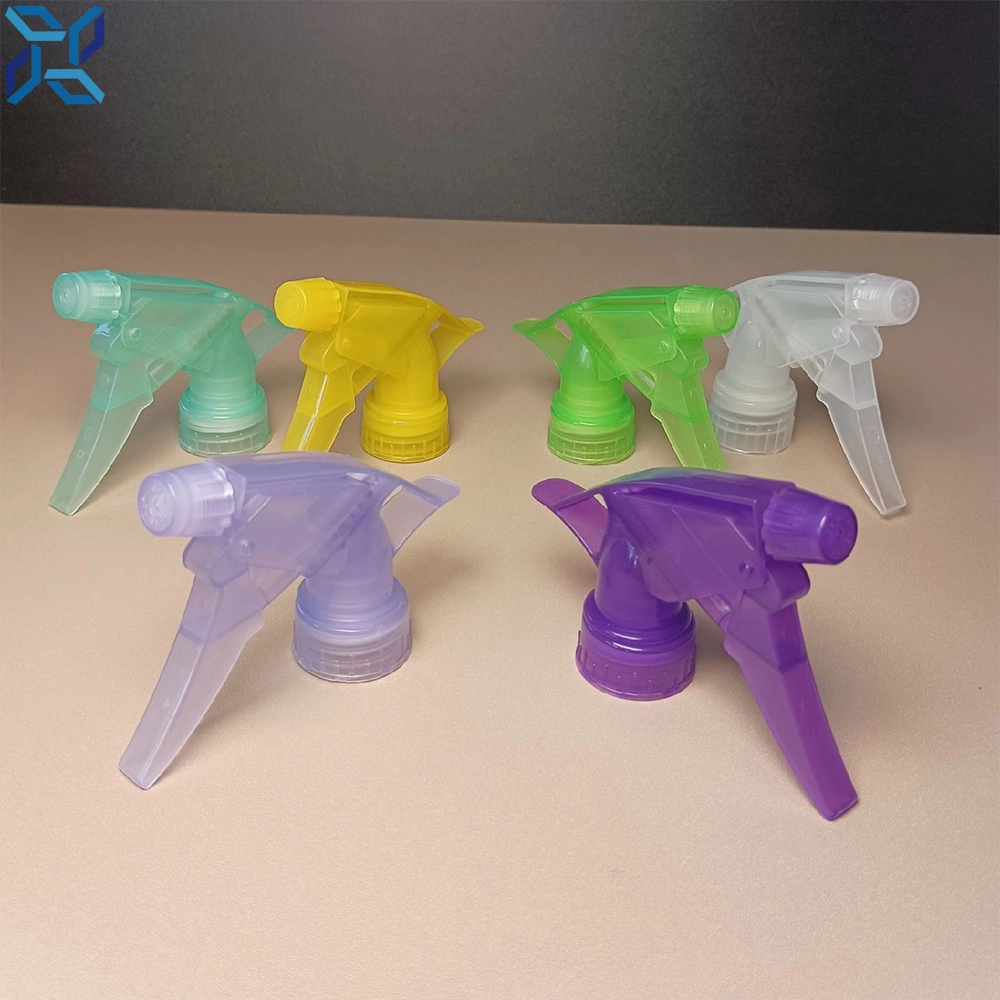
Closure Heavy Duty Spray Trigger Nozzle PP Plastic Type Heavy Duty Trigger Spray Bottle Wholesale
Get in touch with Xinda pelosi
Have any questions or queries about our products? Please leave us a message here and our team will get back to you promptly.
Your inquiries, ideas, and collaboration opportunities are just a click away. Let's start the conversation.
* Rest assured that your privacy is important to us, and all information provided will be handled with the utmost confidentiality.

 Scan QR Code
Whatsapp: +8613640286461