
What makes a foaming soap dispenser? | Xinda Pelosi Guide
This article explains the mechanics of foaming soap dispensers, detailing the key components – the pump, mixing chamber, air intake, nozzle, and reservoir – and their contribution to foam creation. It also addresses troubleshooting common issues, providing valuable information for professionals in the cleaning and hygiene industry.
What Makes a Foaming Soap Dispenser?
Understanding the mechanics behind foaming soap dispensers is crucial for professionals in the cleaning and hygiene industries. This article clarifies the science and engineering behind these increasingly popular dispensers, addressing common questions and potential challenges. We'll explore the key components and the chemistry that makes them work.
The Science of Foam
Foaming soap dispensers don't just dilute liquid soap; they transform it. This transformation relies on the creation of a stable foam, a complex mixture of air and liquid. The key lies in the specific ratio of soap concentrate to air, achieved through a precise mechanism within the dispenser. The resulting foam offers several advantages: reduced soap consumption, enhanced lather, and an improved user experience.
Key Components of a Foaming Soap Dispenser
A typical foaming soap dispenser incorporates several crucial components:
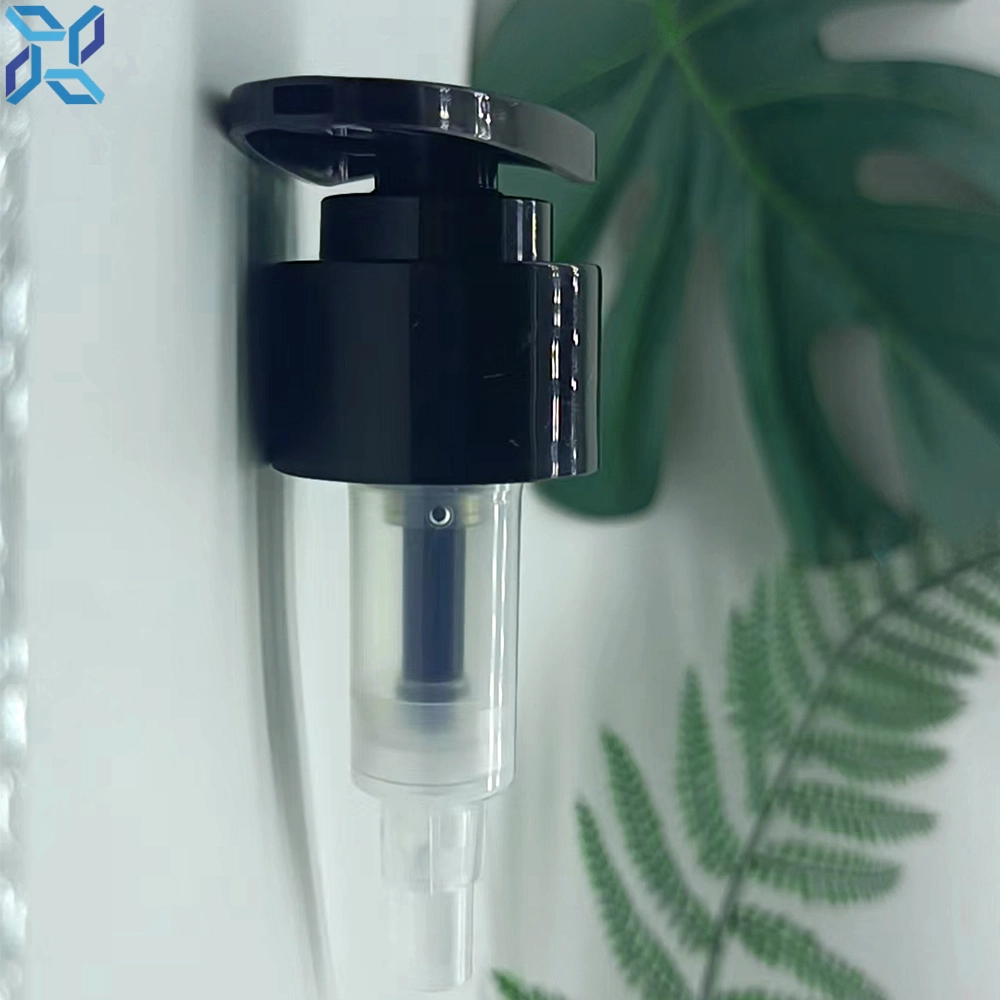
Pump Mechanism: This is the heart of the dispenser, responsible for drawing the soap concentrate and mixing it with air. The design of the pump directly affects the foam's quality and consistency. Different pump types offer varying levels of performance and durability.
Mixing Chamber: This chamber is where the soap and air are combined. Its design influences the foam's texture – a well-designed chamber creates a consistent, fine-textured foam. The size and shape of this chamber directly impact the foaming action.
Air Intake: The air intake system is vital. It regulates the amount of air drawn into the mixing chamber, ly determining the foam's density and volume. A properly functioning intake system is essential for consistent performance.
Nozzle: The nozzle’s design dictates how the foam is dispensed. A well-designed nozzle produces a controlled, even stream of foam, preventing spills and wastage. Variations in nozzle design can affect the foam's texture and dispensing ease.
Soap Reservoir: This container holds the concentrated soap solution. The material, design, and capacity of the reservoir directly impact the dispenser’s lifespan and its suitability for different environments.
Troubleshooting Common Issues
Problems with foaming soap dispensers often stem from issues with the pump, air intake, or soap concentrate. Troubleshooting often involves checking for blockages, examining the pump mechanism's function, and verifying the correct soap concentration. Incorrect soap dilution can result in weak or inconsistent foam.
Conclusion
The seemingly simple foaming soap dispenser relies on a sophisticated interplay of mechanical engineering and chemical principles. Understanding these components and their interactions allows professionals to select, maintain, and troubleshoot these dispensers effectively, optimizing hygiene practices and resource efficiency.
Top 10 flip top caps suppliers brands
The Importance of Perfume Spray Pumps in Cosmetic Packaging: A Sustainable Approach
How to Choose the Size of a Travel Perfume Sprayer ?
Need evenly spray the perfume? Here’s How to Achieve It
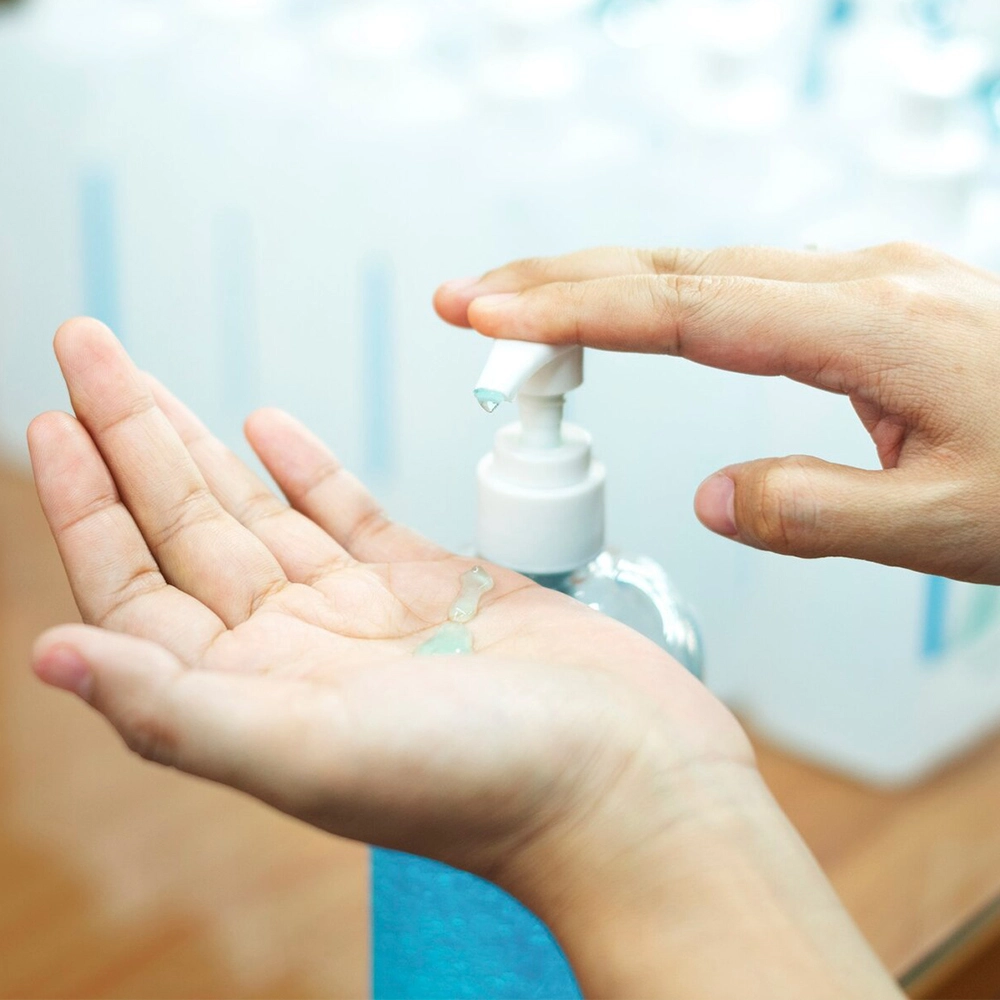
Why a Soap Dispenser Pump for Kitchen Sink is a Smart Choice
For Products
What is the material being used for your products?
They are all made of PP and PE.
For Customization
How can I get customized products quotation?
We need your products details for quotation, and a closed quotation should include the below details:
1. material
2. full dimension
3. unit weight
4. order quantity
If you have real sample that will be perfect for customized products, it normally should develop a new mould for production, but different mould cavity, different output, and different unit cost will make it better, so if you have idea of your mold-making requirements, it will be better; otherwise, we need your order quantity to calculate a proper mould design.
For application
The products for which area?
Jar liner seals Is suitable for PVC,PET,PE,PP,PS ,PA,ABS ETC plastic bottles and glass Etc.
For shipping
What is your terms of delivery?
We accept EXW, FOB, CIF etc. You can choose the one which is the most convenient or cost effective for you.
For Company
What do you make?
We are a manufacturer of mechanical dispensing devices and spray pumps. Serving the market of personal care products, cosmetics and fragrance, household and automotive, pharmaceutical and food use, etc.
Our main products are Trigger sprayer, Lotion pump, sprayer pumps, perfume bottles, on metered-dose sprayer pumps, Pharmaceutical plastic packaging bottles and Special use of the opposite-sex container.The metered sprayer pumps for caring skin, mouth, nose, rectum, gynecology and alike enjoy special reputation. The dosage range is 0.05–0.2 ml per activation, with a variance in ±10%.
You may also like
We provide a variety of packaging solutions to both small and large businesses and service numerous industries, including beauty and personal care, food and beverage, household and industrial chemicals, and veterinary care.
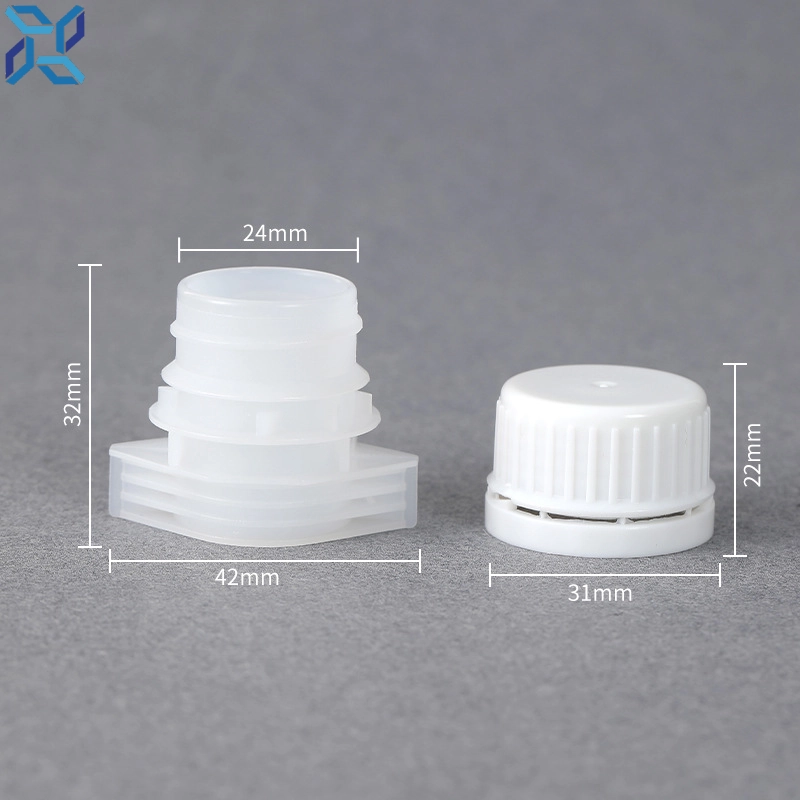
Customized white plastic spout pouch with cap manufacturers
Xinda Pelosi manufactures custom white plastic spout pouches with caps.
Perfect for your unique needs, our pouches offer superior quality and reliable sealing.
Get a quote today for your customized plastic spout caps.
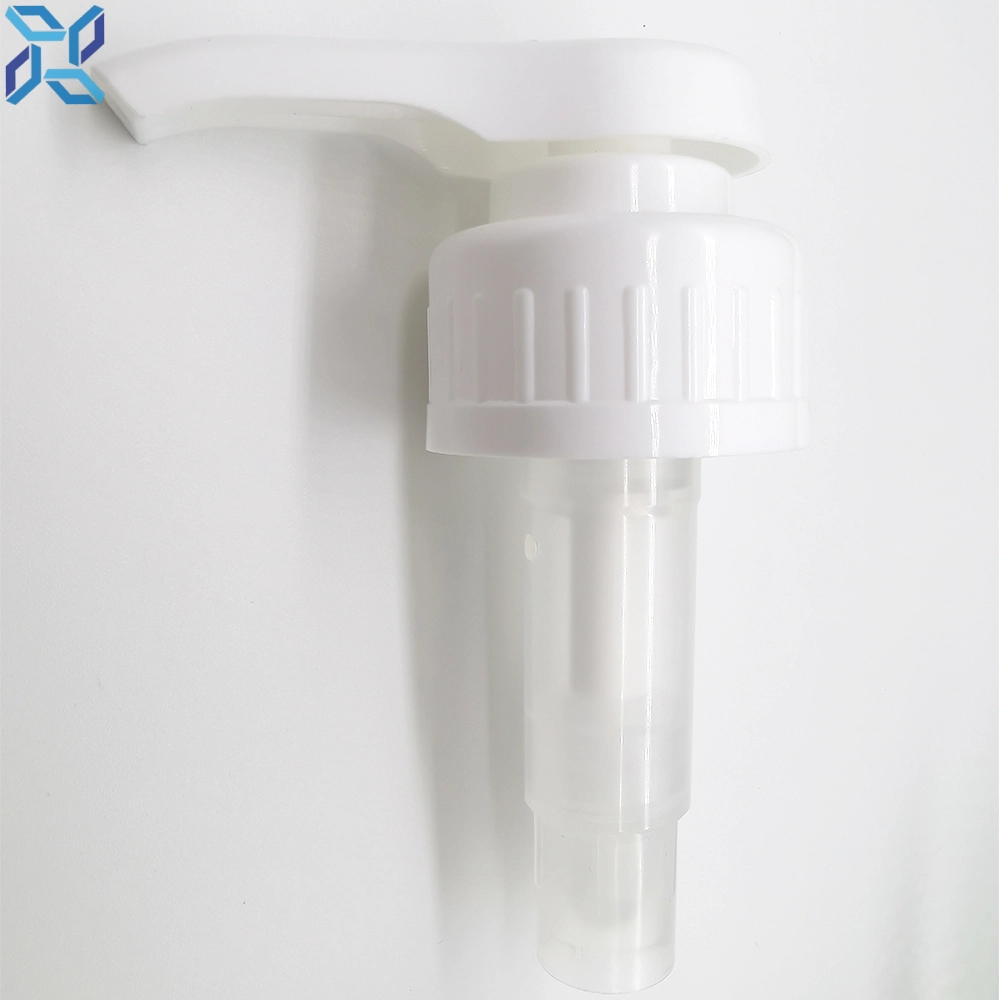
PP PE Plastic Soap Hand Foam Dispenser Foaming Spray Pump Matte Foam Pump
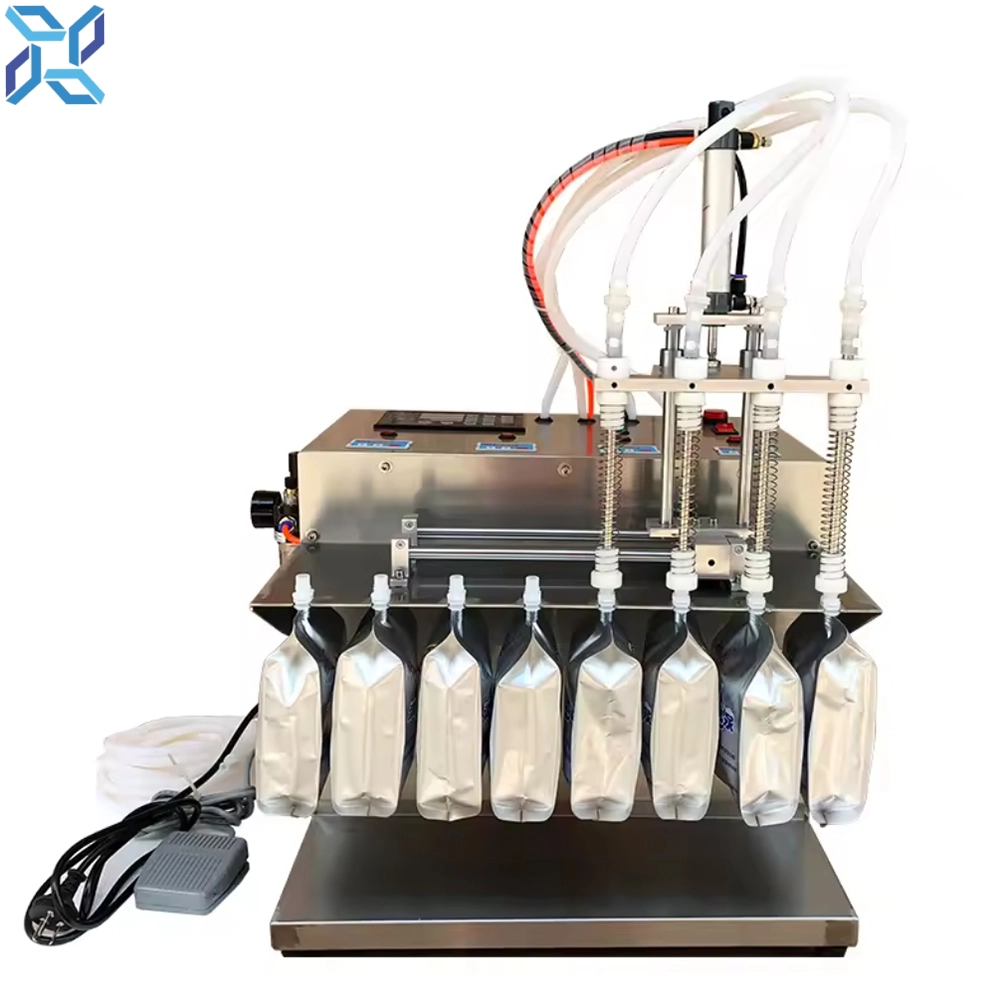
Stand Up Pouch Filling And Sealing Machine
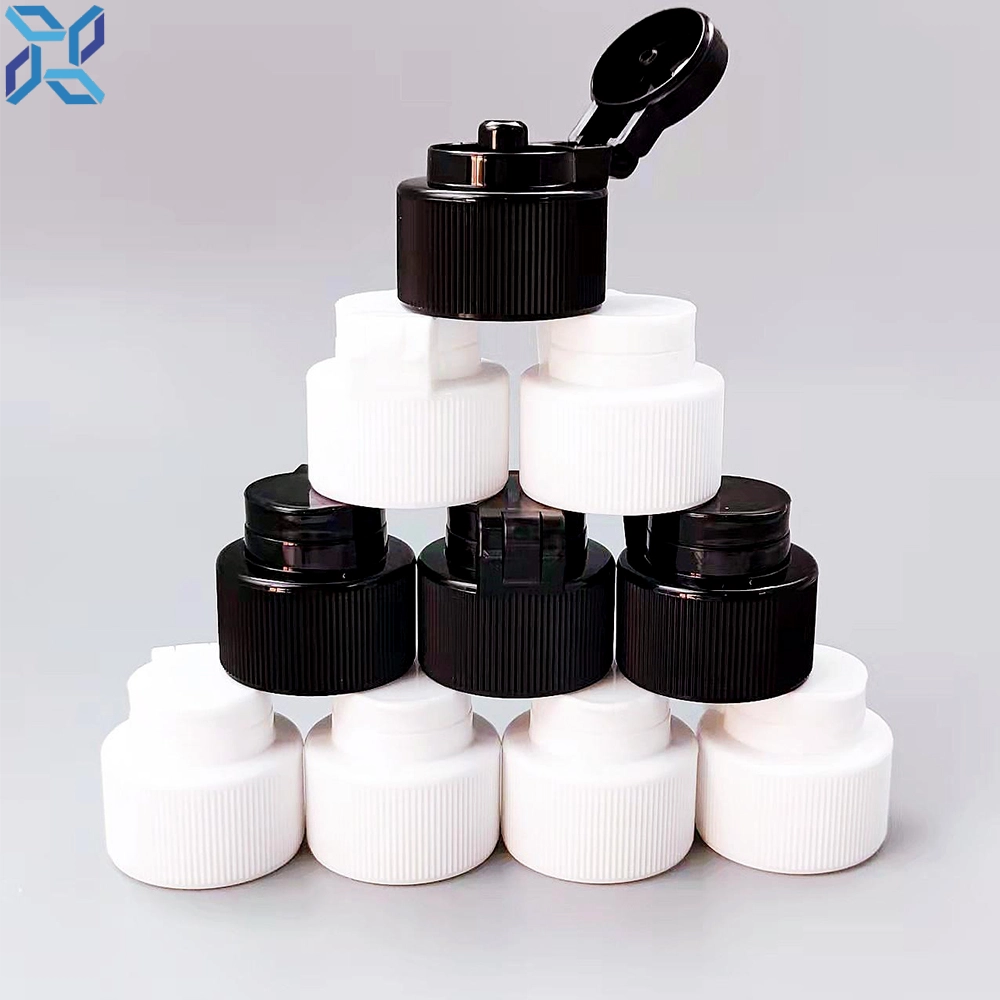
OEM Injection Mould Design Plastic Double Opening Caps for Plastic Glitter Shaker Bottles
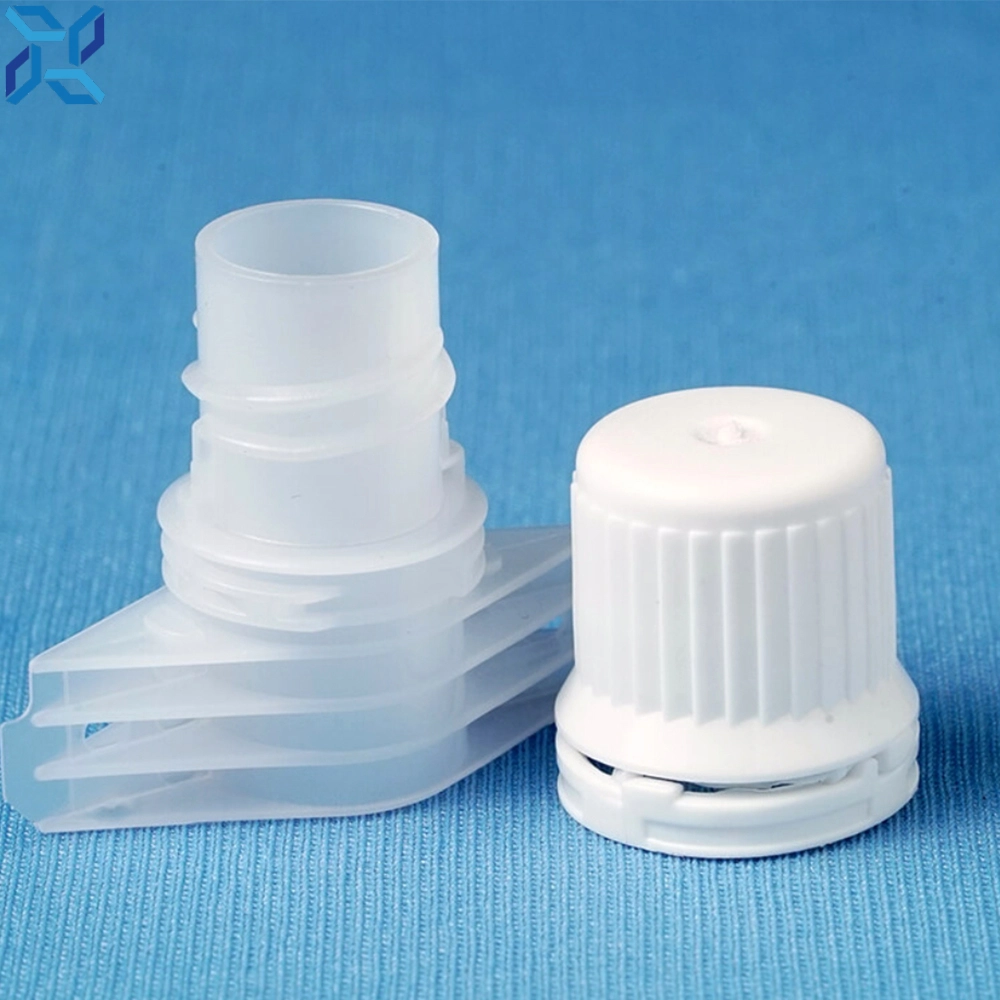
Customized spouted stand up pouch plastic spout water liquid wine pouch spout cap
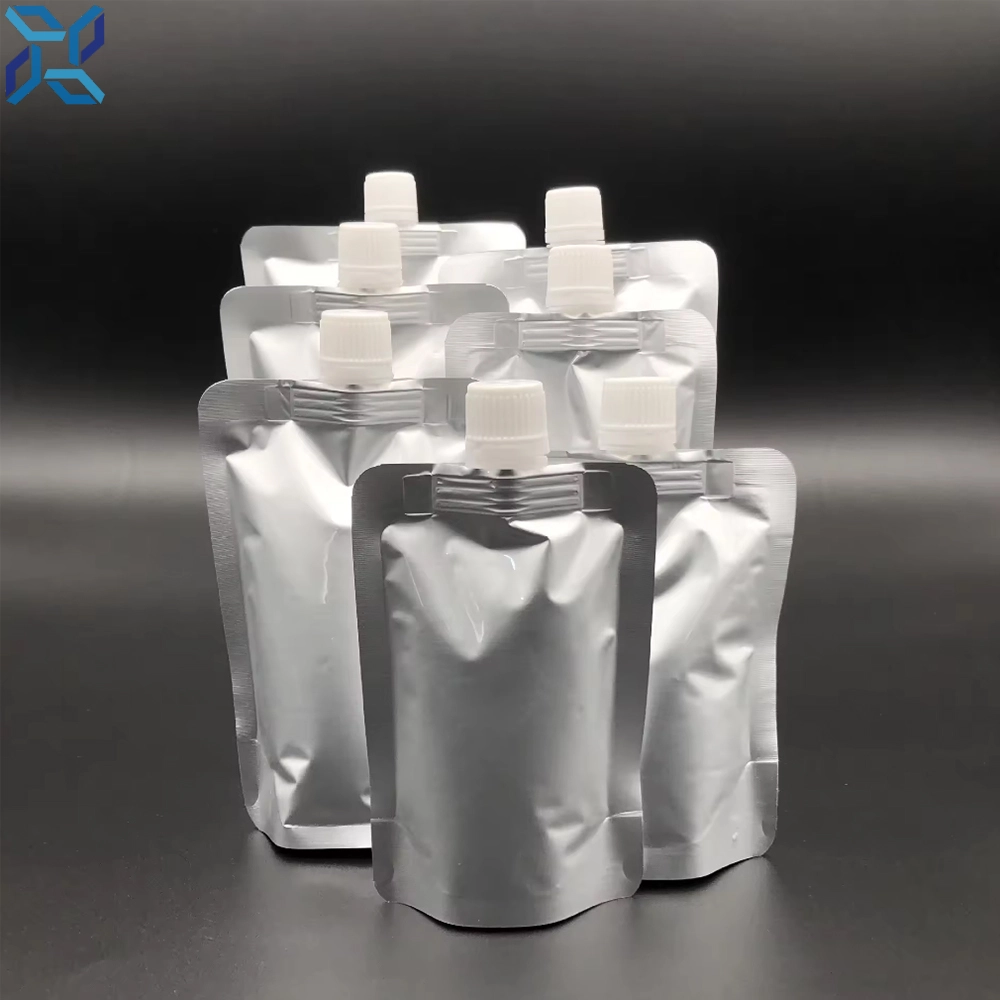
Customized Printing Plastic Zipper Top Stand Up Mylar Bags For Snack Chips Packaging
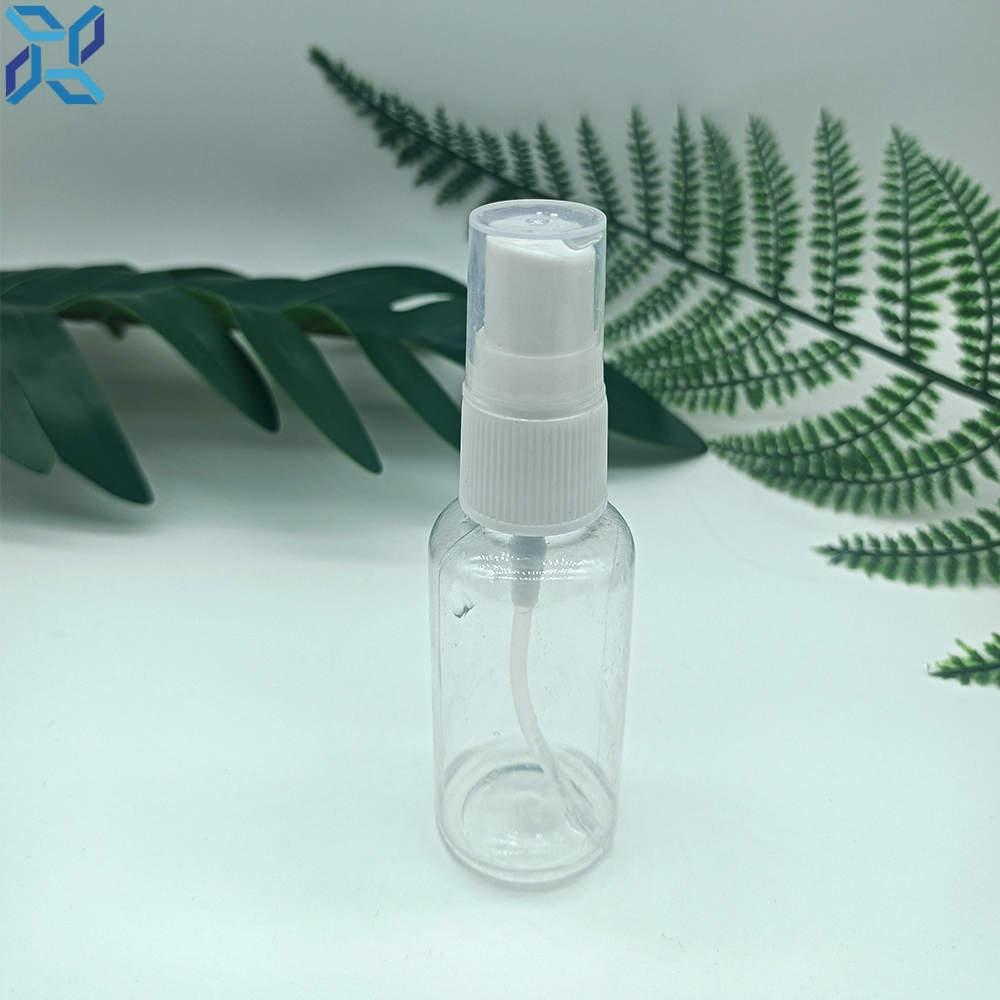
Fashioned Unique Design Custom Made Perfume Bottle Bulb Atomizer Spray
Luxury Liquid Dispenser Aluminum Lotion Dispenser Pump For Cosmetic Bottles
Get in touch with Xinda pelosi
Have any questions or queries about our products? Please leave us a message here and our team will get back to you promptly.
Your inquiries, ideas, and collaboration opportunities are just a click away. Let's start the conversation.
* Rest assured that your privacy is important to us, and all information provided will be handled with the utmost confidentiality.

 Scan QR Code
Whatsapp: +8613640286461